


Dolomiti Superski - Ski Area Guide
Stats
Dolomiti Superski Piste Map
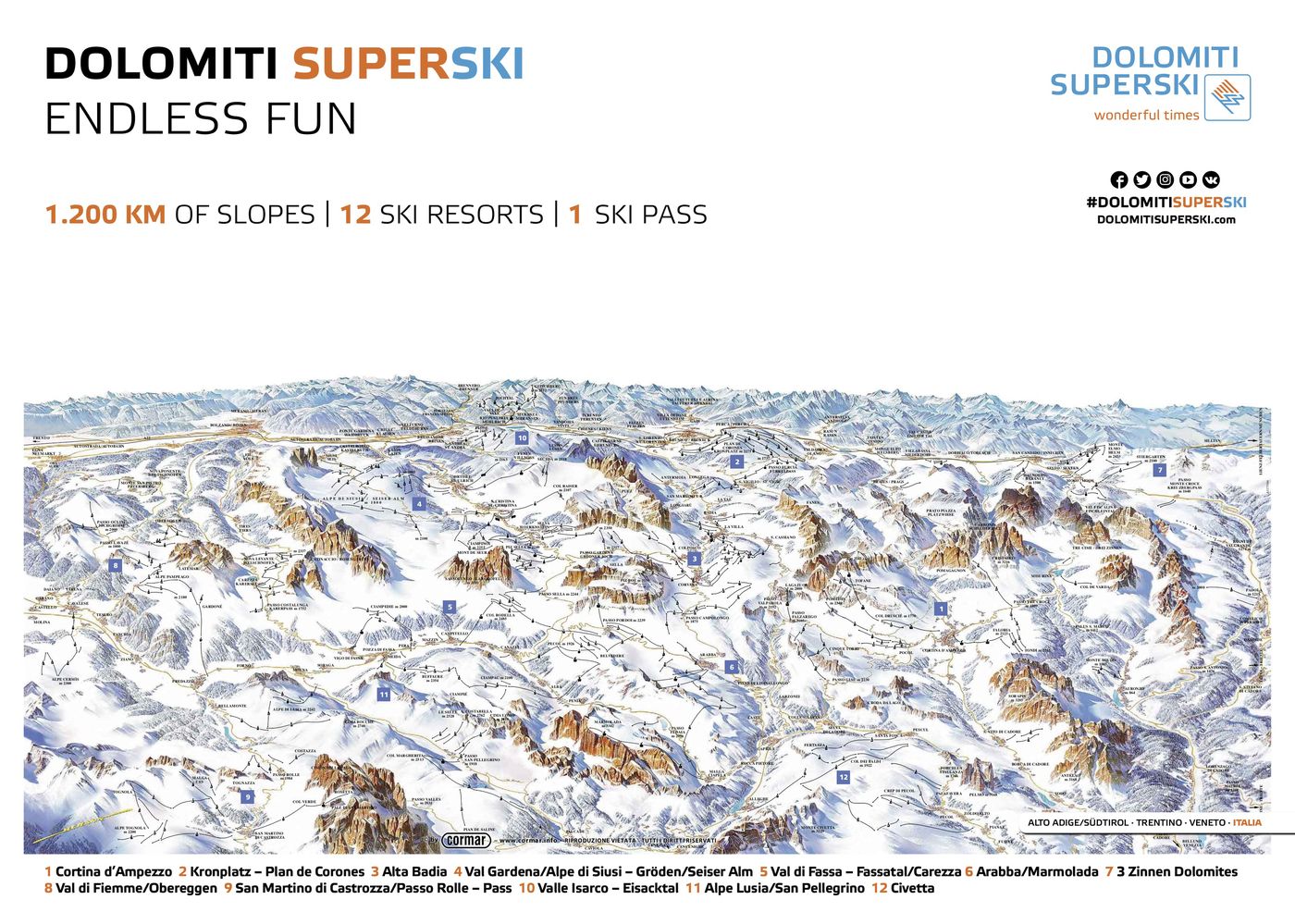
Resorts in Dolomiti Superski
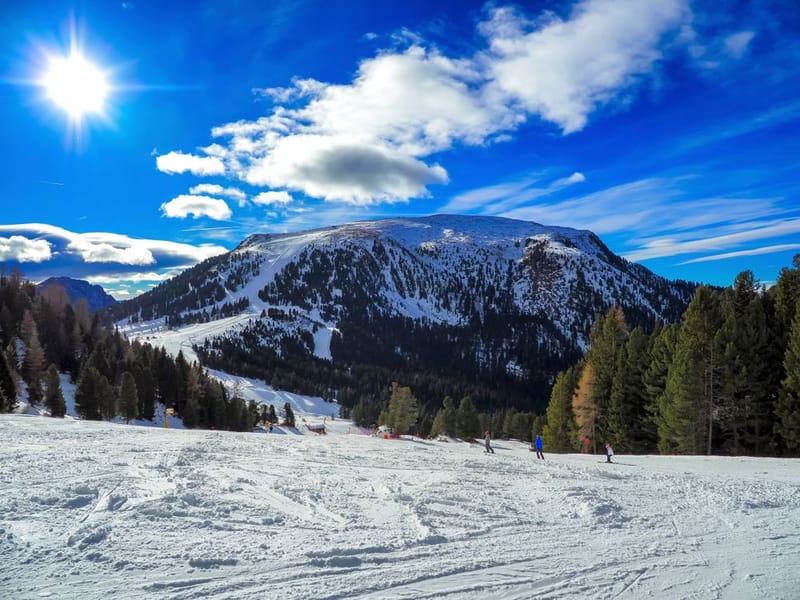
Dolomiti Superski Overview
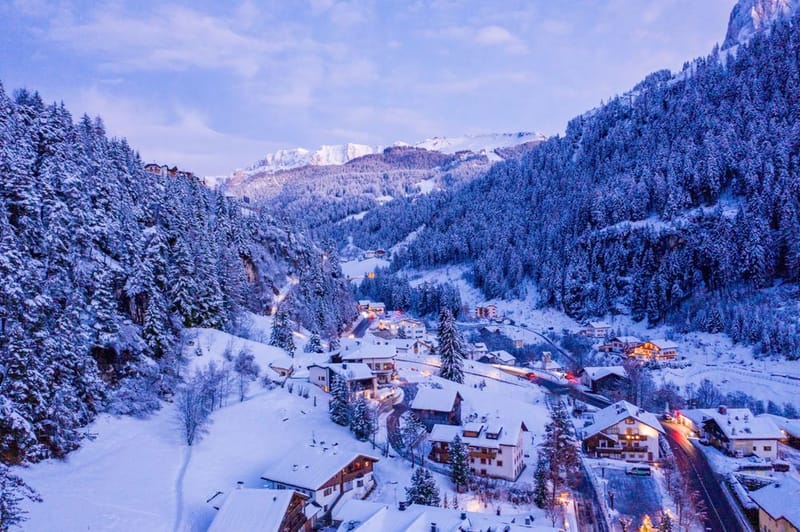
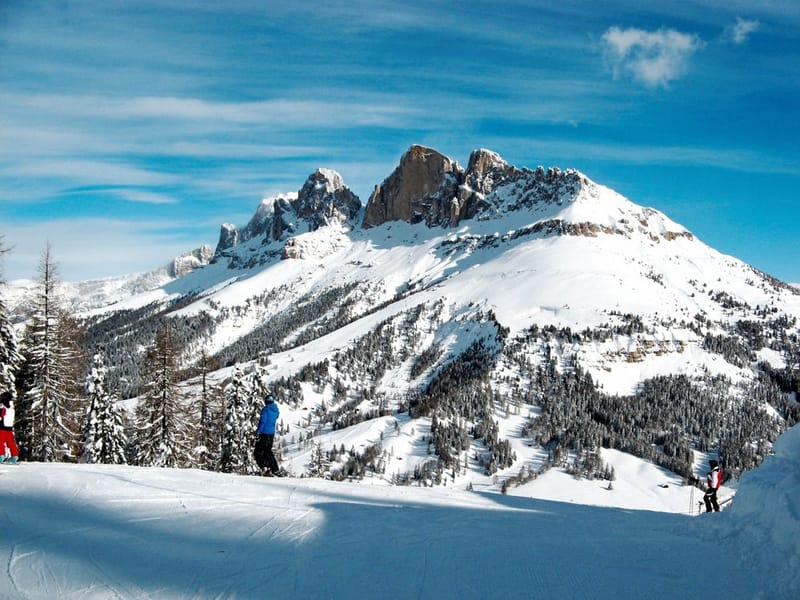
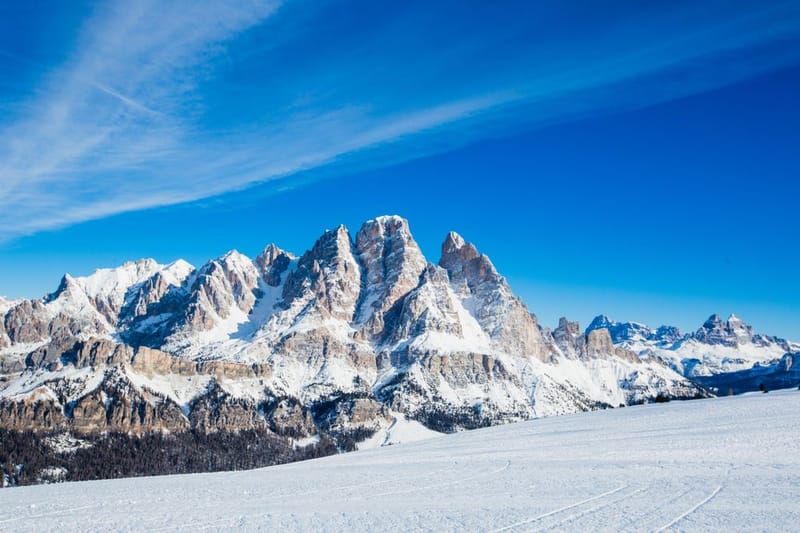
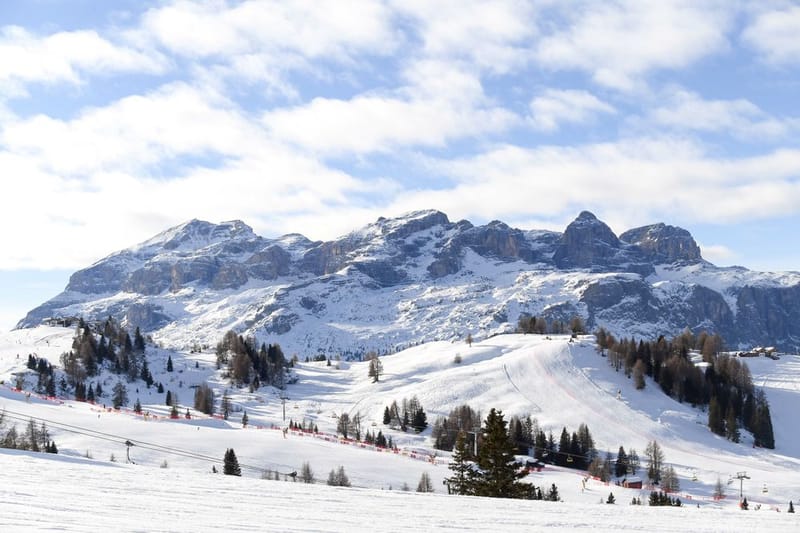
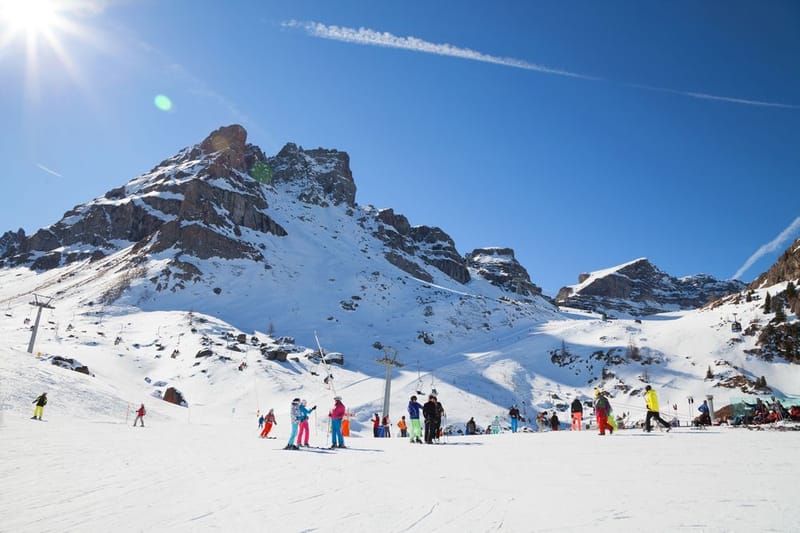
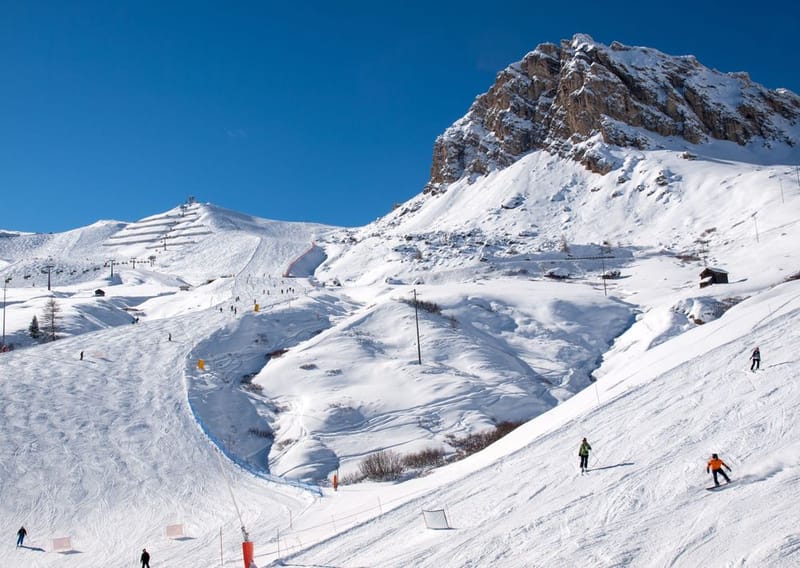
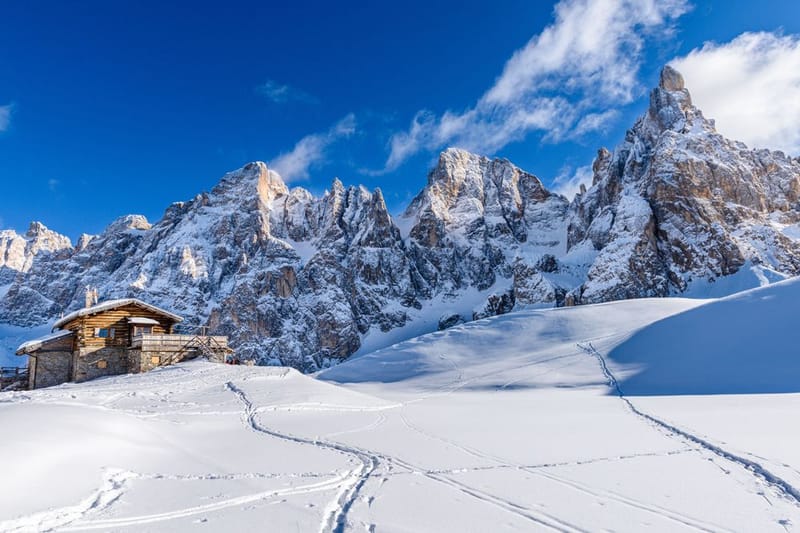
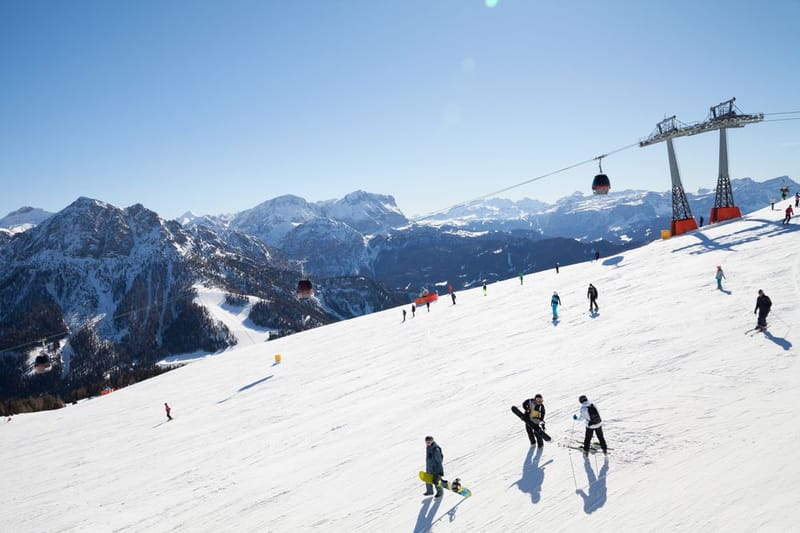
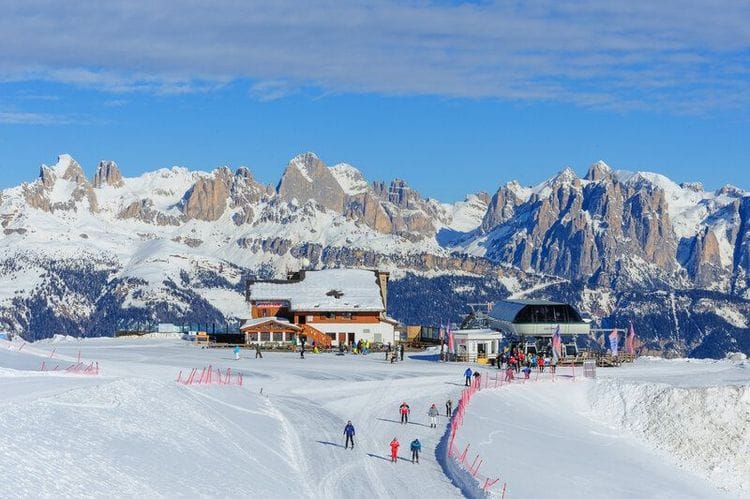
Sprawling across the dramatic limestone peaks of northeastern Italy's Dolomites, this is one of Europe's most extensive ski areas. The region sits primarily in South Tyrol and Trentino, where Italian efficiency meets Austrian gemütlichkeit, and locals switch seamlessly between Italian, German, and Ladin.
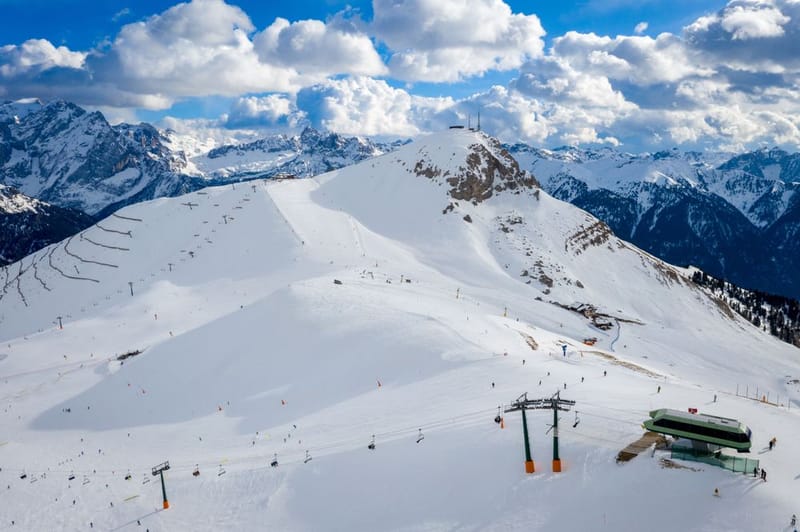
With 1,200 kilometres of piste served by 445 lifts, this isn't just big—it's vast. One Snomad community member who's been visiting for years reckons you could ski here for a fortnight and still find fresh runs. The scale is genuinely impressive, though it's worth understanding how it all pieces together before you arrive.
How it connects (and where it doesn't)
The famous Sella Ronda circuit forms the heart of the system, linking Val Gardena, Alta Badia, Arabba Marmolada, and Canazei via a clockwise or anticlockwise route you can ski in a day. Our reviewers mention that following the orange and green markers makes navigation straightforward, even for first-timers. Surrounding this central loop, you'll find Campitello di Fassa, Pozza di Fassa, Alba, and other resorts that plug directly into the circuit.
Beyond the Sella Ronda, things get less connected. Alpe di Siusi links with Val Gardena, whilst Plan de Corones/Kronplatz sits further north as its own substantial area. Cortina d'Ampezzo—now linked via new infrastructure ahead of the 2026 Olympics—operates largely independently on the eastern edge. Resorts like San Martino di Castrozza, Carezza, and Comprensorio Ski Civetta are satellite areas included on the pass but require a car or bus to reach.
Think of it less as one seamless ski area and more as a collection of excellent resorts under a single lift pass. Some users who visited Kronplatz appreciated the free train connections to other areas, though you'll sacrifice ski time for travel.
What makes it special
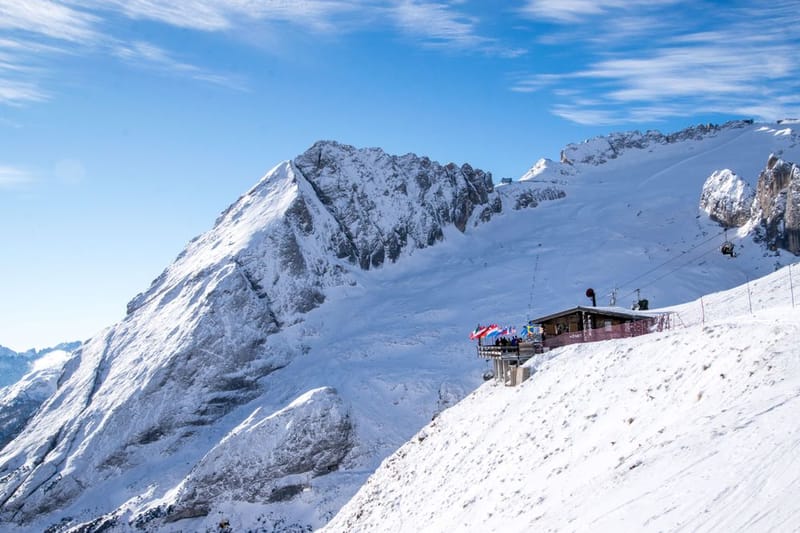
The scenery alone sets this apart from the rest of the Alps. Those jagged, rose-tinted Dolomite peaks create a backdrop that several advanced skiers in our community describe as genuinely breathtaking—the sort that makes you stop mid-run just to take it in.
Then there's the food. The majority of users think the mountain restaurants here eclipse anything they've experienced elsewhere. We're talking proper sit-down lunches with table service, homemade pasta, and local wines at prices that won't make you wince. A user who is an advanced snowboarder said they paid €8 for pizza or pasta on the slopes—unthinkable in France or Switzerland.
The piste grooming deserves special mention too. Some of the user reviews reference slopes that are "impeccably groomed" or maintained "to perfection," even during periods of minimal snowfall. The region's snow-making infrastructure is world-class, meaning conditions generally hold up well throughout the season.
Who should come here
Intermediate skiers will find this paradise. The Sella Ronda and most connecting areas are dominated by cruisey reds and blues, with wide, well-maintained pistes that let you rack up serious mileage. Families rate it highly—the infrastructure is modern, lift queues are generally manageable outside peak weeks, and there's enough variety to keep everyone happy.
Advanced skiers have options like the Saslong World Cup downhill in Val Gardena, steep blacks in Arabba, and the Marmolada glacier. However, several expert-level reviewers note that off-piste opportunities are limited compared to France or Austria. One reviewer who's an expert skier mentioned this is primarily a groomer destination, though hiring a guide can unlock some hidden lines.
Beginners should choose their base carefully. Some resorts (Corvara, Selva) offer good nursery slopes, whilst others like Arabba drop you straight onto reds from the main lift. It's doable, but requires a bit more homework.
The vibe here is relaxed rather than raucous. Don't expect throbbing après scenes—this is more about long lunches, sunset spritzes, and evenings in spa hotels than dancing on tables in ski boots.
The Skiing in Dolomiti Superski
The Dolomiti Superski pass unlocks a staggering 1,200 kilometres of pistes across 450 lifts, making it the largest interconnected ski area in the Alps. This isn't just marketing bluster - you genuinely could ski a different run every day for weeks and still have terrain to discover.
The skiing spreads across 12 distinct valleys and resorts, each with its own character. Val Gardena and Alta Badia form the heart of the famous Sella Ronda circuit - a 40-kilometre loop around the Sella massif that you can tackle clockwise or anticlockwise. Our users frequently cite this as a highlight, with one advanced skier calling it "a bucket list day for sure". The circuit is well signposted with orange and green markers, making navigation straightforward even on your first attempt.
Beyond the Sella Ronda, standout areas include Marmolada, home to Europe's longest piste at 12 kilometres, and Kronplatz, known for its wide, impeccably groomed runs and heated chairlifts. Cortina d'Ampezzo brings World Cup pedigree, whilst quieter gems like Alpe di Siusi offer gentle cruising across high plateaus with jaw-dropping views.
The terrain suits intermediates best, with blues and reds dominating the piste map. Advanced skiers will find challenging blacks - particularly off Portavescovo in Arabba and the Saslong World Cup run in Val Gardena - but off-piste opportunities are more limited than in France or Austria. An intermediate snowboarder from the UK noted: "wide ski area, very wide runs which is perfect for those learning", whilst another user praised the "amazing tree runs" for more confident riders.
Snow reliability benefits from extensive snowmaking coverage - genuinely some of the best in Europe. The altitude range isn't the highest (most skiing sits between 1,500m and 2,500m, with Marmolada reaching 3,269m), but the combination of artificial snow and meticulous piste grooming means conditions rarely disappoint. Several reviewers mentioned excellent skiing despite limited natural snowfall, with one commenting: "they did an amazing job at using artificial snow and making the slopes quite perfect".
The lift system is modern and efficient, with most being fast chairlifts or gondolas. Queues are rare outside peak season, though certain pinch points on the Sella Ronda can get busy. A user from the United Kingdom observed: "the lift system is first rate though some runs can have large queues", whilst an advanced skier appreciated how "the extensive skiing around Sella Ronda gives 50km of pistes per day, with the most stunning views".
One practical note: whilst the area is interconnected, you'll occasionally need to take ski buses between valleys, and not all sectors link directly. Having a car expands your options considerably, letting you explore outlying areas like Kronplatz or Tre Cime more easily.
The Resorts in Dolomiti Superski
The Dolomiti Superski pass unlocks 23 distinct resorts, each with its own character and strengths. Here's what you need to know about where to point your skis.
Val Gardena - Gröden sits at the heart of the action, offering superb access to the Sella Ronda circuit in both directions. One user who's an advanced snowboarder praised the "excellent tree runs" and family-friendly vibe. The grooming here is impeccable - several reviewers mentioned runs being "groomed to perfection" - and you'll find everything from the challenging Saslong World Cup downhill to mellow cruisers. It's ideal for intermediates and families who want variety without the crowds.
Alta Badia delivers some of the area's most dramatic scenery alongside brilliant red runs. The Gran Risa World Cup piste is bucket-list skiing, whilst quieter valleys like La Villa offer escape routes when the Sella Ronda gets busy. Our reviewers consistently rave about the mountain restaurants here - proper sit-down affairs with truffle pasta, not just grab-and-go fare. Best for confident intermediates to experts who appreciate good food as much as good skiing.
Arabba Marmolada brings the steep stuff. This is where advanced skiers head when they want challenging blacks and access to the Marmolada glacier - the area's highest skiing. The village is small and quiet (translation: limited après), but as one Snomad user noted, "the toughest skiing in the Sella Ronda" makes up for it. Combine this with neighbouring Alta Badia or Corvara for the full experience.
Canazei - Belvedere and Campitello di Fassa - Col Rodella anchor the western side of the Sella Ronda. Canazei town itself buzzes with Italian energy and proper restaurants, whilst the skiing offers varied terrain across the Belvedere and Buffaure sectors. The morning cable car queue can test your patience, but once up, you've got immediate access to wide, well-maintained runs. A reviewer mentioned it's "the cheapest resort to stay in on the Sella Ronda" without sacrificing quality.
Cortina d'Ampezzo stands apart - literally and figuratively. Host of the 2026 Winter Olympics, it's the glitziest resort in the Dolomites with designer shops and Michelin-starred dining. The skiing spreads across five separate areas (now linked by the new Olympic gondola to the Hidden Valley run), so you'll cover ground. One advanced skier called it "spectacular views and runs" but noted prices match the upmarket vibe. Best for those who want refinement alongside their skiing.
Alpe di Siusi / Seiser Alm is the antidote to adrenaline. Europe's largest high-altitude Alpine meadow offers gentle, scenic cruising across wide-open terrain. Perfect for beginners finding their feet or families with mixed abilities. Several users praised it as "very quiet" with "beautiful wooded pistes." Links back to Val Gardena when you're ready for more challenge.
Plan de Corones / Kronplatz impresses with its lift infrastructure - heated seats, minimal queues, and efficient gondolas feature heavily in reviews. The skiing radiates from a central summit across long, wide runs. "Some of the most beautiful scenery I have ever skied in," said one expert skier. It's a 20-minute train ride from the Sella Ronda villages (included in your pass), making it perfect for a change of scenery midweek.
3 Zinnen Dolomites (Tre Cime) flies under most British skiers' radar, which is exactly its appeal. Quiet, well-groomed runs with "breathtaking views of the Dolomites all round," according to one reviewer. The lift system is modern, queues are rare, and you can ski the Three Peaks tour linking Sesto, Val Comelico and Kreuzberg Pass. Ideal for those who prioritise peace over parties.
Carezza Ski punches above its weight for a smaller resort. The skiing is varied enough to keep you entertained for a day or two, with that distinctive Dolomites backdrop. It's quieter than the Sella Ronda resorts and makes a good base if you've got a car to explore the wider area.
Pozza di Fassa - Aloch - Buffaure, Alba - Ciampac - Buffaure, and Moena-Alpe Lusia-Bellamonte form a cluster in the Val di Fassa. Less famous than Canazei but significantly cheaper, these villages offer authentic Italian atmosphere and solid intermediate skiing. The morning gondola from Pozza links you into the Buffaure area and onwards to the Sella Ronda.
San Martino di Castrozza - Passo Rolle and Passo Rolle combine for a sizeable ski area south of the main Sella Ronda circuit. The terrain suits intermediates well, and the Pala di San Martino massif provides stunning scenery. You'll need to drive or bus between here and the main action.
Obereggen - Pampeago - Predazzo offers a mix of north and south-facing slopes across three linked areas. The variety works well for groups with different abilities, though you're some distance from the Sella Ronda.
The smaller resorts - Vigo di Fassa - Pera - Ciampedie, San Pellegrino - Falcade, Cavalese - Alpe Cermis, San Vigilio di Marebbe, Gitschberg/Maranza - Jochtal/Valles, Comprensorio Ski Civetta, and Passo Fedaia - Marmolada - each serve specific niches. Some are learning areas, others offer quieter alternatives to the main resorts, and a few (like Passo Fedaia's glacier access) provide specialist terrain.
The beauty of the Dolomiti Superski setup is this variety. Fancy a big day covering the Sella Ronda? Start from Val Gardena or Alta Badia. Want challenging steeps? Head to Arabba or tackle Cortina's black runs. Need gentler terrain? Alpe di Siusi delivers. Seeking efficiency and modern lifts? Kronplatz awaits. With the single pass covering everything, you can genuinely ski a different resort every day for a fortnight and barely scratch the surface.
Practical Info for Dolomiti Superski
Lift Pass
The Dolomiti Superski pass is absolutely massive - it covers 12 ski areas and 1,200km of pistes across the Italian Dolomites. You'll get access to big-hitters like Kronplatz, Alta Badia, Val Gardena, and Cortina d'Ampezzo, plus loads of smaller resorts. It's genuinely one of the best multi-resort passes in the Alps.
A 6-day pass costs around €439, which is decent value when you consider the sheer amount of terrain you can explore. The pass covers all 445 lifts across the region, so you can ski a different resort every day without worrying about separate tickets. If you're based in one valley and fancy a change of scenery, just hop on a lift and go.
One thing to note - some of the resorts are better connected than others. You can ski between places like Val Gardena and Alta Badia fairly easily, but getting to somewhere like Kronplatz might need a car or bus.
Best Time to Visit
December through to late March is your sweet spot. January and February typically offer the most reliable snow coverage, though it can get properly cold at altitude. Early season (December) is quieter but snow depths can be hit-and-miss depending on the year.
March is brilliant if you want longer days and spring conditions - the sun's out, terraces are buzzing, and you'll still find good snow on north-facing slopes. April can work too, especially at higher resorts like Marmolada, but it's more of a gamble.
Avoid half-term weeks if you can - lift queues get noticeably longer, particularly in the more popular areas like Sellaronda.
Getting There
Innsbruck Airport (Austria) is your closest option for the northern Dolomites - it's about 1.5-2 hours to resorts like Kronplatz or Alta Badia. Small airport, easy to navigate, but flight options can be limited.
Verona Airport is roughly 2.5-3 hours away and has way more flight connections from the UK. It's a solid choice if you're heading to the western or southern valleys.
Venice Marco Polo is another option at around 2-3 hours, depending on which resort you're aiming for. Decent for places like Cortina.
Bergamo and Munich are both about 3-4 hours away - doable but you're looking at a longer transfer.
Most people hire a car for the flexibility, especially if you want to explore different valleys. Shared transfers and buses run to major resorts, but having your own wheels makes hopping between ski areas much easier.