


Matterhorn - Ski Area Guide
Stats
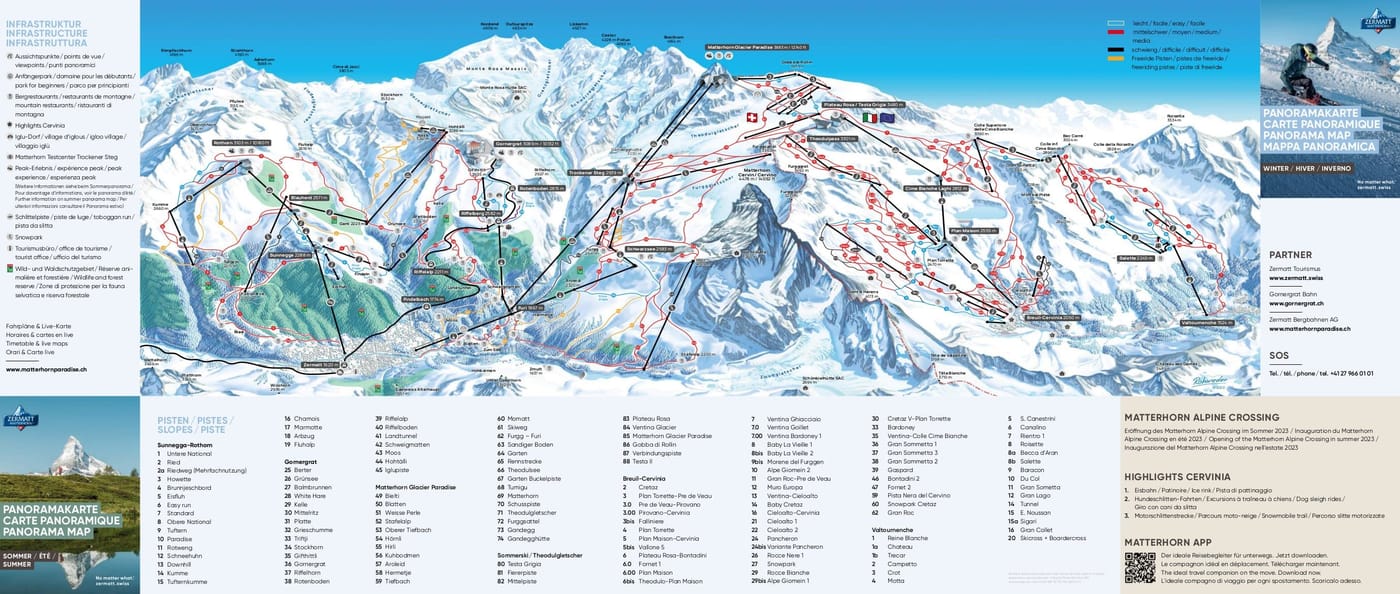
Matterhorn Piste Map
Resorts in Matterhorn
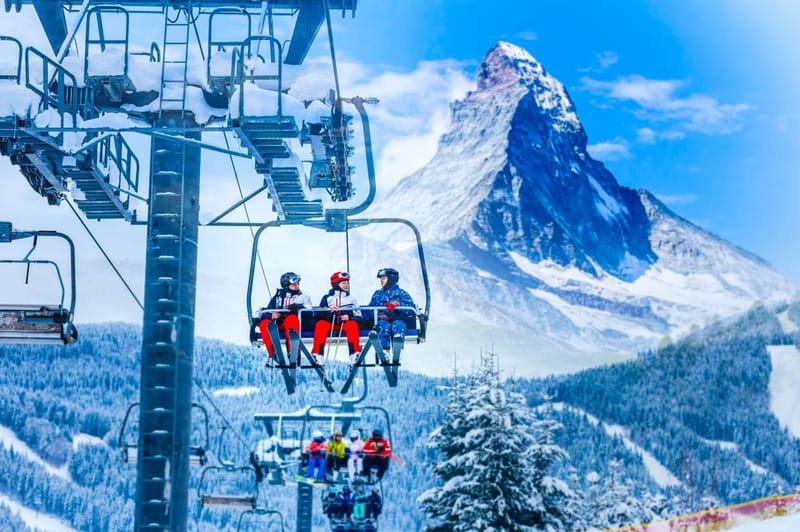
Matterhorn Overview
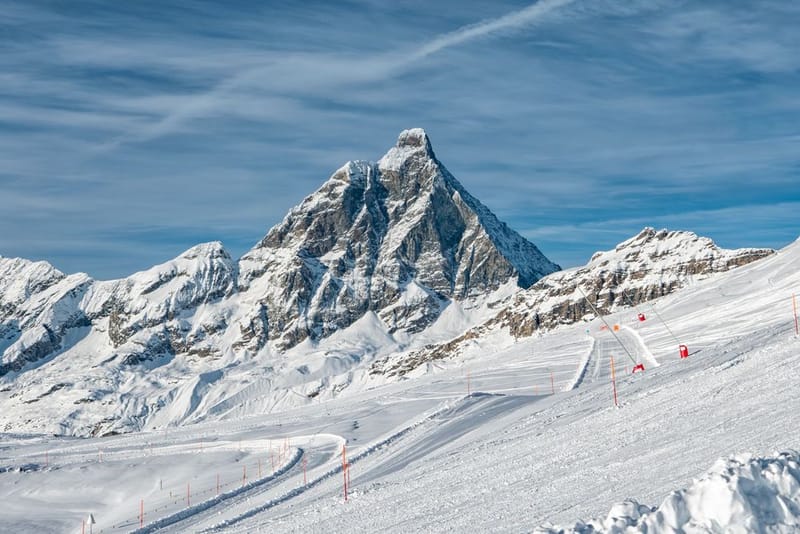
The Matterhorn ski area straddles the Italian-Swiss border in the heart of the Alps, linking the resorts of Cervinia and Valtournenche on the Italian side with Zermatt in Switzerland. This creates one of Europe's most extensive ski areas, offering 360km of piste across 119 runs, all serviced by 54 lifts. The sheer scale and high altitude mean you're almost guaranteed good snow from November through to May, with glacier skiing extending the season even further.
What sets this area apart is the ability to ski two countries in a single day whilst staring up at one of the world's most iconic peaks. The Italian side offers wide, cruisey runs that are perfect for building confidence, whilst Zermatt delivers everything from scenic blues to challenging blacks. One Snomad user who skied both sides mentioned the contrast: "Being able to ski over to Zermatt for a change of scenery and new ski area" was a highlight, though they noted you'll need lift passes for both resorts if crossing the border.
The resorts connect via the Plateau Rosa glacier at 3,883m, though high winds can occasionally close this link. Valtournenche sits below Cervinia and shares the same lift system, essentially functioning as a quieter extension of the main Italian resort. A reviewer who is an advanced skier said "Being next to Breuil Cervinia means all the traffic is over there while Valtournenche is empty."
This ski area particularly suits intermediates, with the majority of runs graded red. Advanced skiers appreciate the 75 advanced runs and expert terrain, whilst the 27 intermediate runs provide plenty of variety for confident skiers. Our reviewers mention that beginners might find options more limited compared to other major resorts, though the wide, open pistes on the Italian side are forgiving for those still finding their ski legs. Some users reference the area as ideal for families who want reliable snow and uncrowded slopes without sacrificing variety.
The Skiing in Matterhorn
The Matterhorn ski area spans two countries and delivers a seriously impressive playground, with 360km of pistes spread across elevations from roughly 1,524m to 3,883m. That altitude range means you're pretty much guaranteed snow from early season through to late spring, and the glacier skiing at the top keeps things going year-round if you're keen.
The terrain splits naturally between the Swiss side centred on Zermatt and the Italian side around Cervinia and Valtournenche. Zermatt offers more challenging runs and steeper descents, particularly on the Rothorn sector, whilst Cervinia is known for wide, sweeping reds that are perfect for intermediates wanting to rack up the mileage. One Snomad user who is an advanced skier mentioned the run from Plateau Rosa down to Valtournenche as an absolute highlight - it's roughly 16km of continuous skiing with over 2,000m vertical drop.
The lift system is genuinely efficient. You'll find modern gondolas and cable cars doing most of the heavy lifting, many with heated seats that make a real difference when you're up at altitude. Our reviewers consistently mention minimal queuing, even during peak weeks. A user who visited in February said they "only had a handful of minutes' wait even at the main lifts" and could "ski right onto most chairs and gondolas."
For intermediates, this area is heaven. The majority of runs sit in the red category - long, well-groomed cruisers where you can properly open up your turns. Advanced skiers will find plenty to challenge them, particularly the blacks dropping from Theodul Glacier and the Testa Grigia area. The off-piste here is exceptional when conditions allow, though several users recommend hiring a guide to get the most from it safely.
Beginners might find the terrain a touch limited compared to other major resorts. There are nursery slopes, but the progression routes can feel steep - some blues would comfortably be reds elsewhere. That said, the wide pistes mean there's space to build confidence without feeling crowded.
The area gets proper wind exposure at the top, which occasionally shuts the highest lifts. Our reviewers mention this as the main drawback - one advanced skier noted that "high winds meant not all lifts were open and we were limited to the lower runs" for part of their trip. But when it's on, it's properly on. The Snomad community consistently raves about the snow quality, the variety, and those epic top-to-bottom runs that just keep going.
The Resorts in Matterhorn
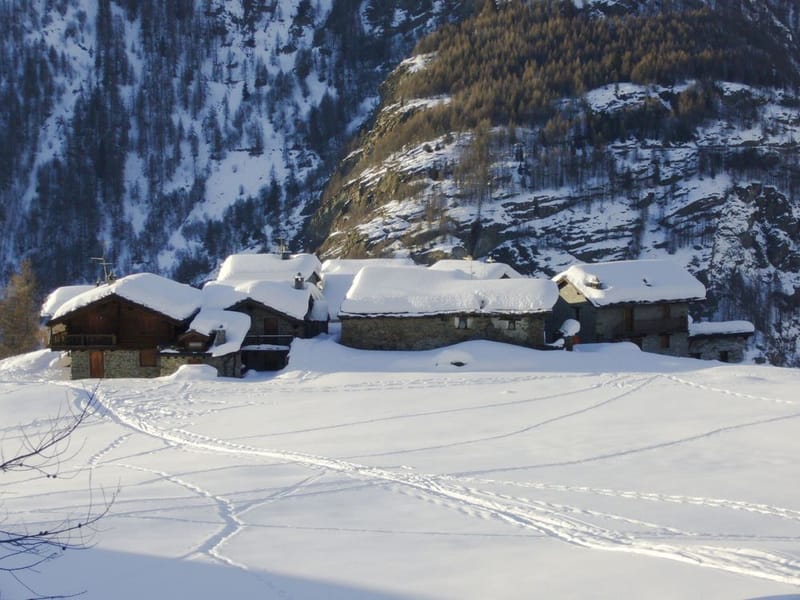
The Matterhorn ski area spans two countries and three distinct resorts, each bringing its own character to what is one of Europe's most extensive ski domains.
Cervinia - Breuil sits on the Italian side and tends to attract skiers who want high-altitude terrain without the Swiss price tag. One Snomad user who's an advanced skier mentioned they "love the wide open pistes and how quiet it is compared to the French mega-resorts." The runs here are predominantly wide reds and blues - perfect for intermediates who want to rack up the kilometres. Our reviewers consistently praise the mountain restaurants for excellent Italian food at reasonable prices, especially compared to what you'll pay across the border. The village itself is functional rather than chocolate-box pretty, but it's relaxed and has a growing après scene.
Valtournenche lies further down the valley and is the quietest of the three. A Canadian user who's an advanced skier described it as having "all the traffic over in Breuil-Cervinia whilst Valtournenche stays empty." This is where you come if you want even fewer crowds and longer cruising runs. The connection to the main Cervinia area is straightforward, making it ideal for those who prefer a more low-key base whilst still accessing the full ski area. Several users mentioned it's particularly good for families and those after a more authentic Italian village feel.
Zermatt, on the Swiss side, is the glamorous headline act. It's car-free, achingly pretty, and sits beneath one of the world's most photographed peaks. A reviewer who's an expert skier from the UK summed it up: "True ski village with amazing terrain, great restaurants and shopping at the high end of resorts." The skiing here tends to be more varied and challenging than the Italian side, with steeper terrain and more off-piste options when conditions allow. One intermediate snowboarder noted that "whilst Cervinia has wider, gentler runs, Zermatt really delivers if you want more challenge." Expect to pay significantly more for everything here - lifts, food, accommodation - though many argue the views and atmosphere justify the cost.
The real magic is how these resorts work together. With the international lift pass, you can start the day on Zermatt's more challenging terrain, ski over to Italy for a proper pizza lunch at half the Swiss price, then finish with a long cruiser down to Valtournenche. Multiple users mentioned doing exactly this. Just watch the weather - high winds can close the border lifts, potentially stranding you on the wrong side. An advanced skier from the UK advised: "Check the app for lift status if you're planning to cross over, especially later in the day."
Practical Info for Matterhorn
Lift Passes
The International Matterhorn Ski Pass covers the entire area, giving you access to both the Italian (Cervinia-Valtournenche) and Swiss (Zermatt) sides of the mountain. You're looking at 360km of pistes and 54 lifts to play with - proper variety for mixing up your runs throughout the week.
A 6-day pass costs around €490, whilst a full season pass will set you back approximately €2,290. Worth noting that single-day rates vary depending on which side you start from, so check the specific resort websites if you're planning a shorter trip.
Best Time to Visit
The Matterhorn's high altitude means you've got one of the longest seasons in the Alps. Lifts typically spin from late November through to early May, with Zermatt's glacier allowing summer skiing too.
December through March delivers the most consistent snow, though January and February can get properly cold up top - we're talking high-altitude temperatures here. March and April offer that sweet spot of decent coverage with longer days and more sunshine, perfect for those extended après sessions. Our reviewers mention that spring skiing here is absolutely mint when conditions align.
Getting There
Nearest Airports:
For Zermatt, you're looking at Geneva (240km) or Zurich (245km) as your main options. Both airports offer decent transfer connections, though you'll need around 3.5-4 hours by train or road.
If you're heading to the Italian side (Cervinia-Valtournenche), Turin (100km) and Milan Malpensa (145km) are closer bets. Transfer times work out at roughly 1.5-2 hours from Turin and 2-2.5 hours from Milan.
Important note: Zermatt is car-free, so you'll need to park in Täsch (5km away) and take the shuttle train for the final leg. It's a bit of faff but keeps the village air quality spot-on.
Train connections from both Swiss airports are brilliant if you don't fancy driving - the Swiss rail network makes getting to Zermatt genuinely easy.