


Paradiski - Ski Area Guide
Stats
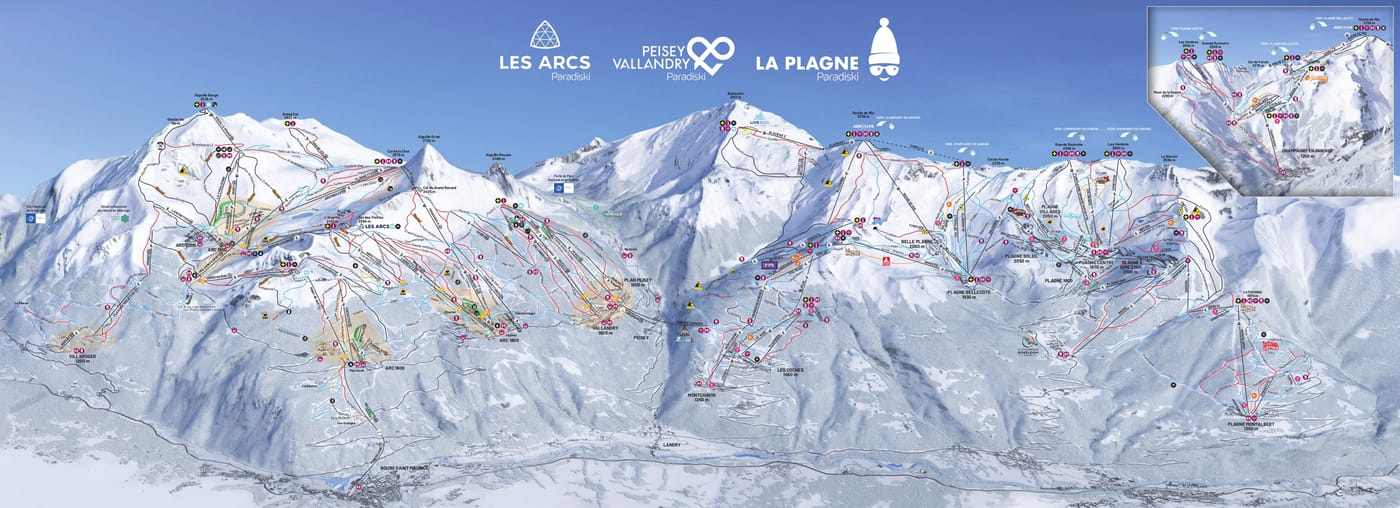
Paradiski Piste Map
Resorts in Paradiski
Paradiski Overview
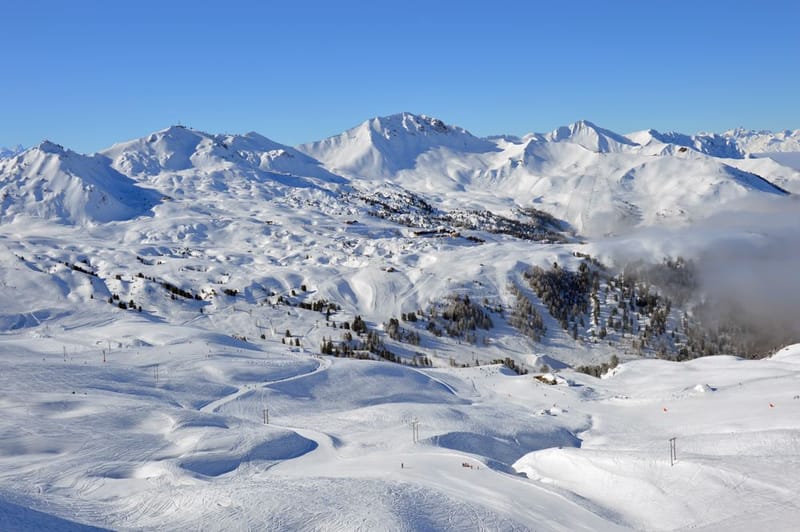
Located in the heart of the French Alps in the Tarentaise Valley, Paradiski is one of the largest linked ski areas in the world. The domain spans 425 kilometres of pistes across 260 marked runs, serviced by 129 lifts, reaching altitudes between 1,200m and 3,226m at the Aiguille Rouge.
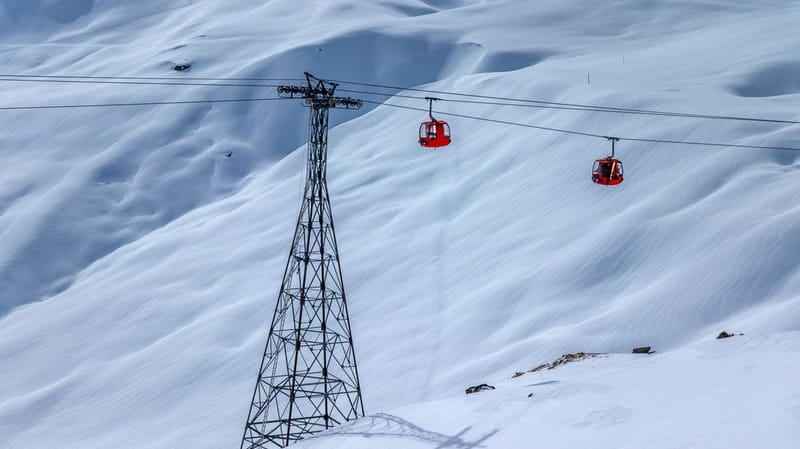
The ski area connects two major resort clusters: La Plagne and Les Arcs, linked by the iconic Vanoise Express cable car - a double-decker gondola that transports up to 2,000 skiers per hour across the valley in just four minutes. Within these clusters, you'll find multiple villages including La Plagne itself, Montchavin, Champagny en Vanoise, Les Arcs 1600-2000, and Peisey Vallandry. Each maintains its own character whilst offering seamless access to the wider network.
What sets Paradiski apart is the sheer variety of terrain packed into a single lift pass. You can cruise gentle tree-lined blues in Peisey, tackle steep blacks from the Aiguille Rouge, or explore the glacier runs above La Plagne - all in a single day. Our users mention that the connectivity between sectors works brilliantly, though you'll want to keep an eye on the time when crossing valleys to ensure you make it back before the lifts close.
The majority of users think Paradiski suits intermediates best, with an enormous selection of blues and reds spread across both sides. However, there's plenty here for confident beginners looking to progress, and experts will find challenging terrain, particularly in Les Arcs and the off-piste routes accessible from both sectors. Families appreciate the variety of villages at different price points and the ability to split up during the day whilst still skiing the same area.
The Skiing in Paradiski
The Paradiski ski area is absolutely massive - 425km of pistes spread across 260 runs, making it one of the world's largest linked ski domains. You're looking at terrain that spans from 1200m up to 3250m at the Aiguille Rouge, and that altitude range means snow reliability is generally solid throughout the season.
The beauty of Paradiski is how different each sector feels. Les Arcs tends to have longer, more varied runs with fantastic tree-lined descents - the run from Aiguille Rouge all the way down to Villaroger is a proper leg-burner. La Plagne, on the other hand, offers enormous cruising terrain, particularly around the glacier area where you'll find wide-open blues and reds perfect for building confidence or just racking up the miles. One Snomad community member who's an intermediate skier mentioned they "loved the varying blues ranging from tree-lined slopes to wide steep ones."
The terrain breakdown is heavily weighted towards intermediates - you've got 133 intermediate runs compared to 79 advanced and 36 expert. That's not to say advanced skiers will get bored though. Several users reference excellent off-piste opportunities, particularly after fresh snow, and there are some properly challenging blacks and itinerary routes to sink your teeth into. An expert skier noted the resort offers "diverse and challenging choice of natural ski areas to play with" on powder days.
For beginners, there's plenty of gentle terrain, though some of our users mention that certain blues can be a bit more challenging than expected - a few reviewers noted runs that "should be reds." It's worth checking the gradient if you're just starting out.
The lift system is impressively efficient. The Vanoise Express - a massive double-decker cable car with a glass floor - links Les Arcs and La Plagne in under five minutes, making it dead easy to explore both sides of the valley in a single day. Across the area, you've got 129 lifts total, with a good mix of modern gondolas and fast chairlifts. Queue times are generally manageable outside French school holidays, though a few users mentioned bottlenecks at certain key lifts during peak season, particularly around Plagne Bellecote.
What really stands out from the reviews is how much skiing you can do without repeating runs. Our reviewers frequently mention spending a full week and still not covering everything. The majority of users think the piste grooming is excellent, keeping runs in good nick even during busy periods or warm spells.
The Resorts in Paradiski
The Paradiski area is essentially split between two main domains—La Plagne and Les Arcs—connected by the double-decker Vanoise Express cable car, with several satellite villages dotted around offering different vibes and price points.
La Plagne is the heavyweight, sprawling across multiple purpose-built villages at various altitudes. It's brilliant for intermediates who want endless blues and reds without constantly checking the piste map. One reviewer who's an intermediate skier mentioned they "loved the varying blues ranging from tree-lined slopes to wide steep ones." The main villages like Plagne Centre and Belle Plagne are ski-in-ski-out central, with Belle Plagne getting top marks for its pedestrianised layout and family-friendly atmosphere. It's not the prettiest—expect functional 1970s architecture—but you're here to ski, and the lift system is bang-on efficient. Most Snomad users reckon it's ideal for families and mixed-ability groups, though some advanced riders say they can cover the terrain in a few days without the Paradiski pass.
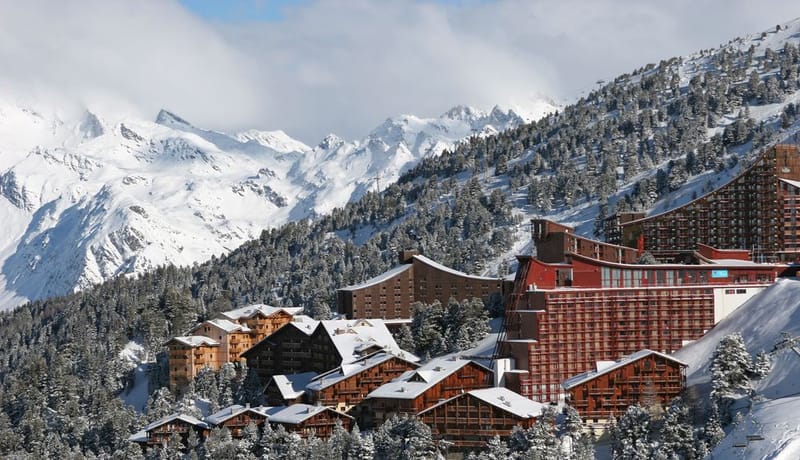
Les Arcs feels a bit more modern and varied. Arc 1950 is the posh option—purpose-built, pedestrianised, ski-in-ski-out with a more polished feel. Arc 1800 is the party central with better après, including the legendary Folie Douce. Arc 2000 sits high and snow-sure but quieter on the nightlife front. Our reviewers consistently praise the long tree runs here, particularly useful when visibility's rubbish. An advanced snowboarder highlighted the "tree-lined runs" as a major draw. The terrain skews slightly more challenging than La Plagne, with some properly steep blacks off Aiguille Rouge.
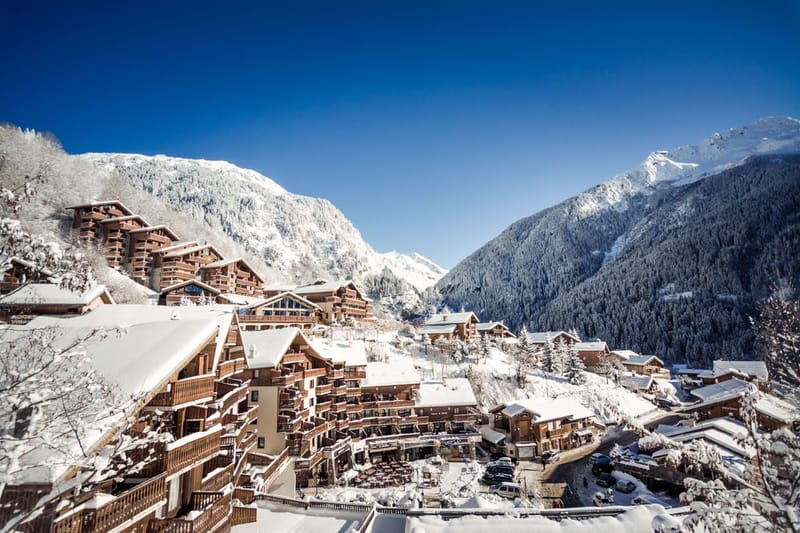
Montchavin-La Plagne and Champagny en Vanoise are the charming, traditional alternatives to the concrete villages. Both are proper Savoyard hamlets with stone buildings and a more authentic mountain vibe. They're significantly cheaper for accommodation whilst offering full access to the domain. Montchavin sits at 1,250m, so snow cover can be patchy late season, but one Snomad user raved about the "quiet and magical" tree runs down to Les Coches. Champagny's fast gondola whisks you straight up to 2,000m, and several users mention it's blissfully quiet compared to the main hubs. Both are brilliant if you want to avoid the crowds and save some cash, though nightlife is minimal.
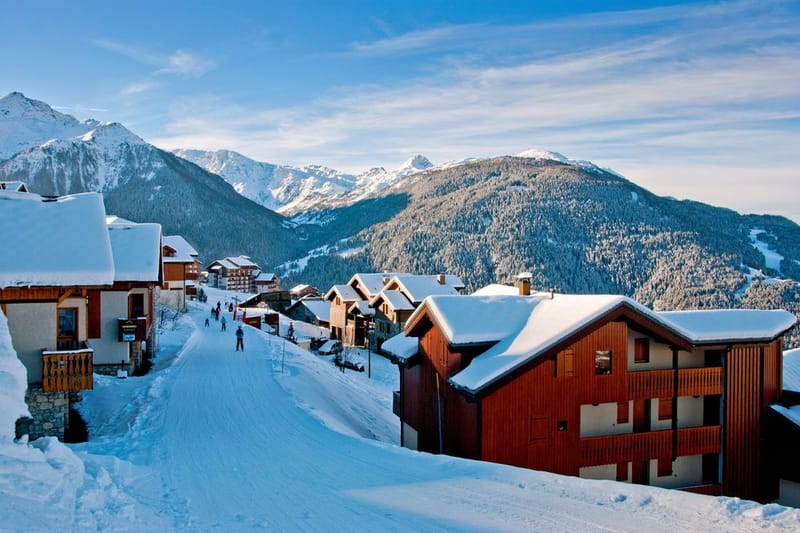
Peisey-Vallandry is the sweet spot geographically—bang in the middle with quick access to both sides of the domain. It's got that proper village feel without being too sleepy, and the tree runs around here are top-notch. A Snomad reviewer called it "perfect if you're not looking for high-rise apartment blocks with a traditional feel but access to a very large ski area." It's particularly good for families wanting something quieter than Les Arcs but livelier than Champagny.
The beauty of Paradiski is you can pick your base to match your budget and vibe, then explore the lot. Staying low in a traditional village saves money whilst the high-altitude purpose-built options offer convenience and snow security. The majority of users reckon the variety between resorts means there's genuinely something for everyone, whether you're after doorstep skiing or village charm.
Practical Info for Paradiski
Lift Passes
The Paradiski lift pass covers the entire area, linking La Plagne, Les Arcs, Peisey-Vallandry, Champagny-en-Vanoise, and Montchavin-La Plagne. One ticket gets you access to all 425km of pistes and 129 lifts across both sides of the valley. A 6-day pass costs €401, whilst a full season pass will set you back €846. The famous Vanoise Express cable car is included, making it easy to hop between the different sectors.
You can also get individual resort passes for just La Plagne or Les Arcs if you're planning to stick to one side, which works out slightly cheaper. Family passes and multi-day discounts are available when booking online in advance.
When to Visit
The sweet spot for Paradiski is January through to early March. You'll typically find the most reliable snow conditions during this window, with February often delivering the goods. The high altitude on both sides means snow coverage is generally solid throughout the season.
Late December gets busy during the holidays, whilst March can be brilliant for spring skiing - warmer temps and longer days, though afternoon slush becomes a factor on lower runs. Easter week tends to be packed regardless of when it falls.
If you're after quieter slopes and don't mind slightly variable conditions, early January (post New Year) or late March offer good value with fewer crowds.
Getting There
The nearest major airports are Geneva (2 hours), Lyon (2.5 hours), and Chambéry (1.5 hours). Geneva usually offers the most flight options and transfer companies.
Most people drive or book shared/private transfers from the airport. If you're heading to Bourg-Saint-Maurice, there's a direct TGV train service from Paris (around 5 hours) and connections from other French cities. From Bourg, it's a short bus ride or taxi up to the resorts.
Transfer times vary depending on which village you're staying in - Peisey-Vallandry and Les Arcs are closer to Bourg-Saint-Maurice, whilst La Plagne's various villages sit on the opposite side of the valley. Saturday changeover days can add 30-60 minutes to journey times when the roads get congested.