


Silvretta Arena - Ski Area Guide
Stats
Silvretta Arena Piste Map
Resorts in Silvretta Arena
Silvretta Arena Overview
The Silvretta Arena straddles the Austrian-Swiss border, linking the Austrian resort of Ischgl with the Swiss duty-free village of Samnaun. This cross-border playground offers 239km of pistes spread across 88 runs, all serviced by 46 modern lifts.
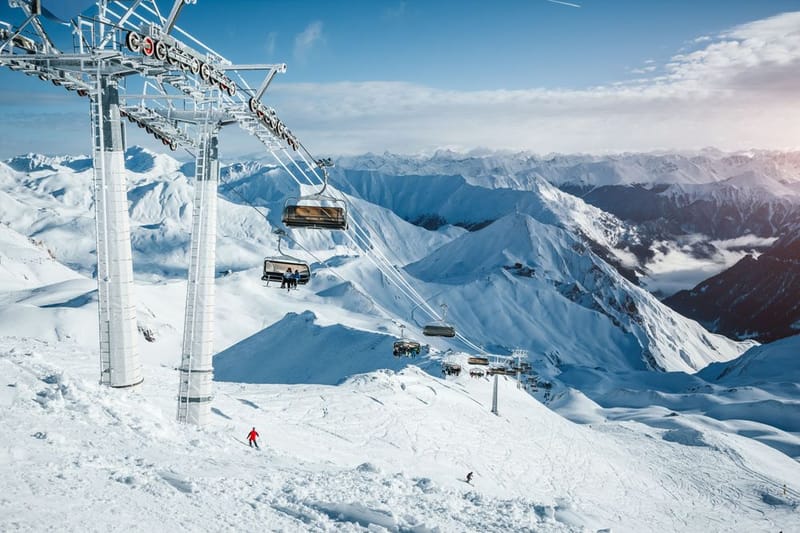
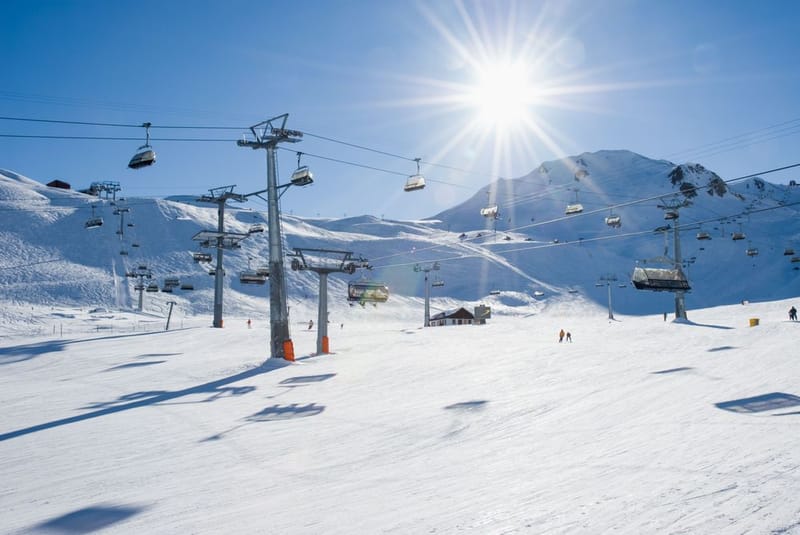
What sets this area apart is the sheer efficiency of its infrastructure - think heated seats on chairlifts and minimal queue times even during peak season. Our reviewers mention that the lift system is genuinely outstanding, with predominantly six and eight-seater chairs that shift crowds fast. One Snomad community member who is an advanced skier noted that "the longest queue was under a minute" during their January visit.
The two resorts couldn't be more different in character. Ischgl dominates with the lion's share of terrain and is famous (some would say infamous) for its legendary après scene. The runs here tend to be steeper and more challenging, particularly on the Austrian side. Samnaun, by contrast, offers mellower, cruisier terrain and the novelty of duty-free shopping mid-ski day. The iconic Smugglers Run connects the two - a lovely long red that takes you from Austrian slopes into Switzerland, though be warned it flattens out towards the end.
This isn't really a beginner's mountain. The majority of users think the Silvretta Arena is best suited to confident intermediates and advanced skiers who want to clock up serious mileage on well-groomed pistes. A user who is an advanced snowboarder said the Austrian side is "really steep" whilst the Swiss side is "nice and mellow", which gives you options depending on your mood. There are blue runs higher up, but the routes back to Ischgl are predominantly red and can get mogulled up and icy by late afternoon.
Families with young children or nervous beginners might find the terrain challenging, but confident intermediate groups and advanced skiers will absolutely thrive here. It's particularly brilliant if you like the idea of covering vast distances, skiing between countries, and ending the day with some proper Austrian après.
The Skiing in Silvretta Arena
The Silvretta Arena sprawls across 239 kilometres of terrain linking Austria and Switzerland, with the ski area reaching serious altitude that keeps snow conditions reliable throughout the season. You'll find 88 runs split between 20 intermediate, 41 advanced, and 17 expert-marked pistes, though it's worth noting that in typical Austrian fashion, plenty of challenging terrain sits unmarked as black runs - it's simply off-piste waiting to be explored.
The Austrian side around Ischgl tends to be steeper and more demanding, whilst the Swiss Samnaun sector offers mellower, wide-open cruisers perfect for racking up the kilometres. Our reviewers mention that the terrain is particularly well-suited to confident intermediates and advanced skiers, with one Snomad community member noting that "if you're confident in blues and reds and can survival mode your way down blacks then you'll love it."
The lift infrastructure here is genuinely world-class - 46 modern lifts including plenty of high-speed six and eight-seater chairlifts, many with heated seats. A user who is an advanced skier said the lift system is "absolutely amazing" with queues rarely exceeding a minute outside peak commuting hours. Getting around the ski area is straightforward, though the central Idalp area can get busy during ski school hours.
The cross-border Smugglers Run over to Samnaun ranks as a highlight - a scenic red that drops you into Switzerland for duty-free shopping and lunch. Just watch the relatively flat finish if you're boarding. Up high, the Piz Val Gronda cable car opens up extensive freeride terrain for those hunting fresh lines.
Piste maintenance is exceptional, with runs groomed back to perfection nightly. However, several users reference that runs back to Ischgl village can become heavily moguled and scraped up by mid-afternoon, particularly runs 1 and 5. The majority of users think it's worth taking the gondola down late in the day rather than battling the busy, bumpy home runs - saving your legs for another lap higher up where conditions stay prime all day.
The Resorts in Silvretta Arena
The Silvretta Arena brings together two distinctly different resort personalities: the high-octane Austrian party hub of Ischgl and the quieter, duty-free Swiss village of Samnaun. Together, they create a ski area that genuinely offers something for everyone.
Ischgl is where the action happens. This is Austria's answer to premium alpine holidays, with upmarket hotels, sophisticated dining, and an après scene that's absolutely legendary. Our reviewers mention the village has a proper buzz to it - one advanced skier from the UK described it as having "amazing après ski and nightlife throughout the entire resort." The infrastructure is spot-on: covered chairlifts with heated seats, efficient modern gondolas, and those brilliant underground moving walkways that whisk you from your hotel to the lifts. It's definitely geared towards confident intermediates and advanced riders rather than complete beginners. Some users note it's pricier than other Austrian resorts, but most reckon it's worth every euro.
Samnaun, on the Swiss side, offers a complete contrast. The runs here tend to be mellower and less crowded - perfect when Ischgl's getting busy or you fancy a more relaxed pace. A user who is an advanced snowboarder said the Austrian side was "really steep" whilst the Swiss side was "nice and mellow." The duty-free status is a proper bonus too, though reviewers warn that mountain restaurant prices on the Swiss side can be eye-watering - one skier mentioned a €13 bowl of pasta in Austria costing €35 over the border.
What makes the Silvretta Arena work so well is how these two resorts complement each other. You can thrash the challenging Austrian slopes in the morning when they're perfectly groomed, then cruise over to Samnaun for a long, scenic run and some duty-free shopping. The areas are brilliantly linked via the famous Smugglers' Run - though be warned, it flattens out towards the end, so boarders might need to work for it. The majority of users think this cross-border element adds genuine novelty to the ski experience.
Practical Info for Silvretta Arena
Lift Passes
The Silvretta Arena runs on a single lift pass covering both Ischgl and Samnaun, giving you access to 239km of piste and 46 lifts across Austria and Switzerland. You can literally ski between countries for lunch - zero customs, zero faff. A six-day pass costs €425, whilst a full season pass will set you back €1,169. The pass includes access to the entire ski area, so you're free to explore both sides without any restrictions.
Best Time to Visit
The Silvretta Arena typically runs from late November through to early May, making it one of the Alps' more reliable bets for snow. December and January offer the best snow conditions, though the resort gets busy during Christmas and New Year. March brings longer days and spring snow, whilst still maintaining decent coverage thanks to the high altitude - much of the terrain sits above 2,000m. Our reviewers mention that the shoulder season (early December and April) can offer brilliant value with fewer crowds, though you'll want to check snow reports before booking.
Getting There
Innsbruck Airport is your closest option at roughly 100km away, with transfers taking around 90 minutes. It's a small airport with limited routes, but worth checking for direct flights.
Zürich Airport sits about 220km from Ischgl (roughly 2.5-3 hours' drive) and offers far more flight options, making it popular with British skiers despite the longer transfer.
Munich Airport is another solid choice at approximately 260km away (3 hours), with excellent connections and typically competitive flight prices.
Most people opt for private transfers or rental cars, as public transport involves multiple changes and takes significantly longer. Some of the user reviews reference the drive being straightforward, particularly from Innsbruck, with motorways covering most of the journey before you hit the mountain roads.