


Ski amadé - Ski Area Guide
Stats
Ski amadé Piste Map
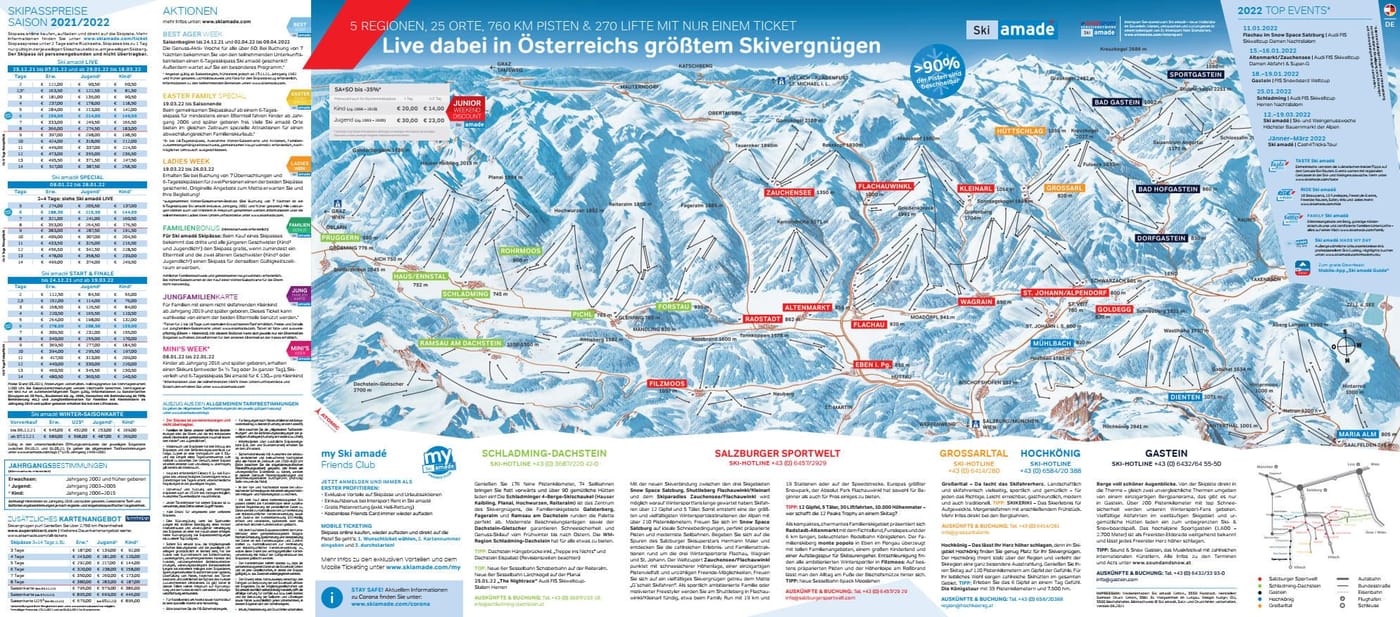
Resorts in Ski amadé
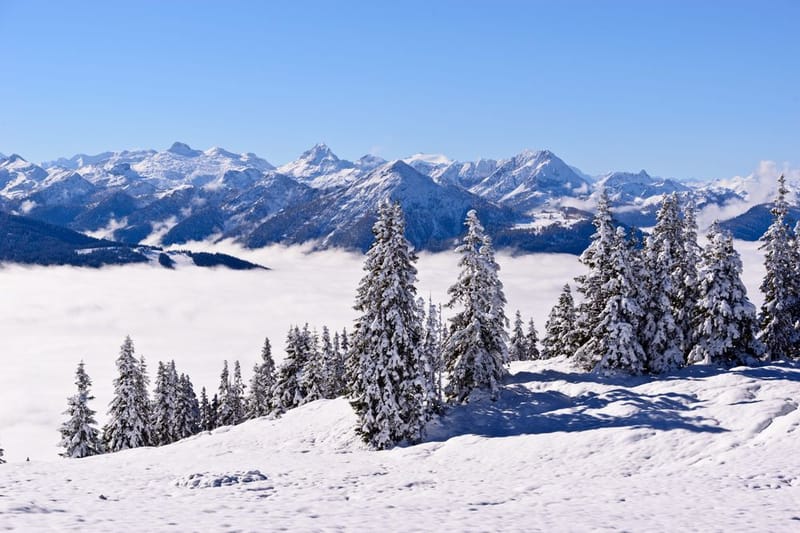
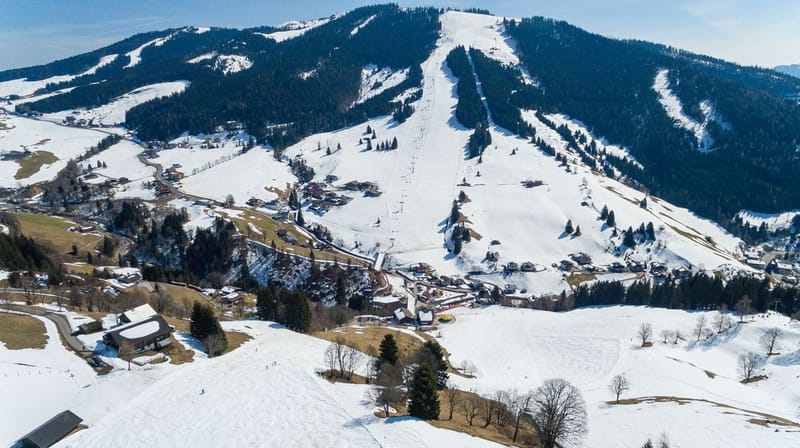
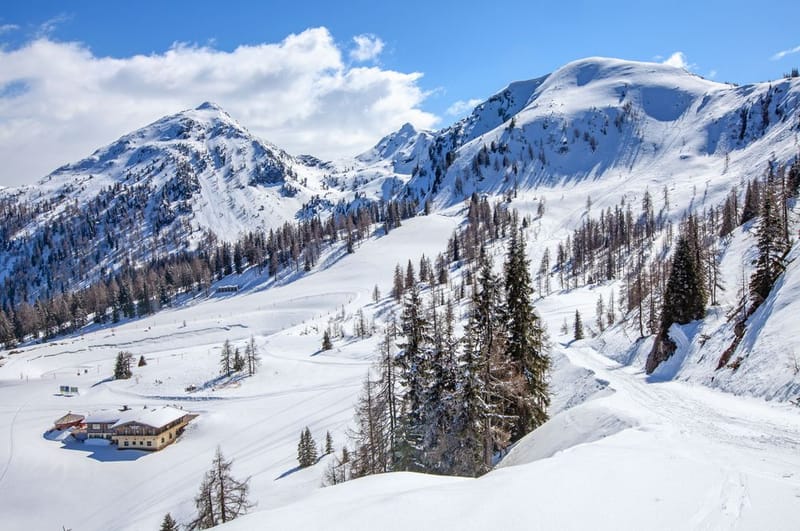
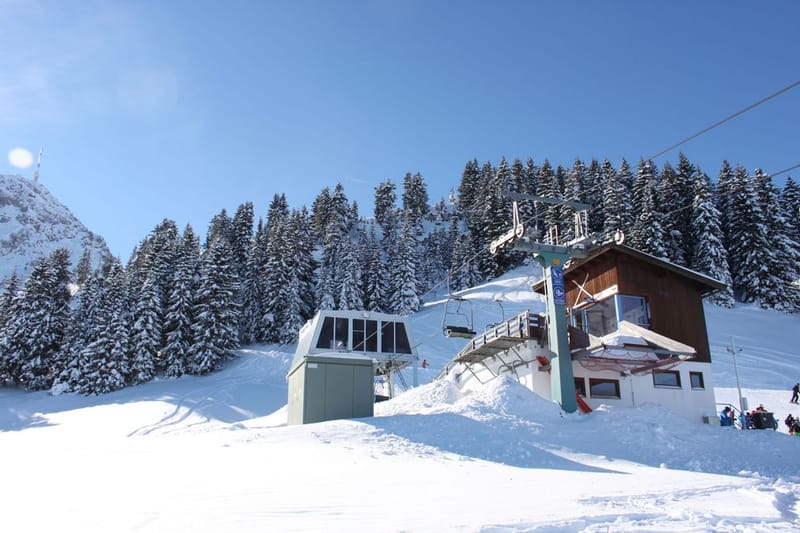
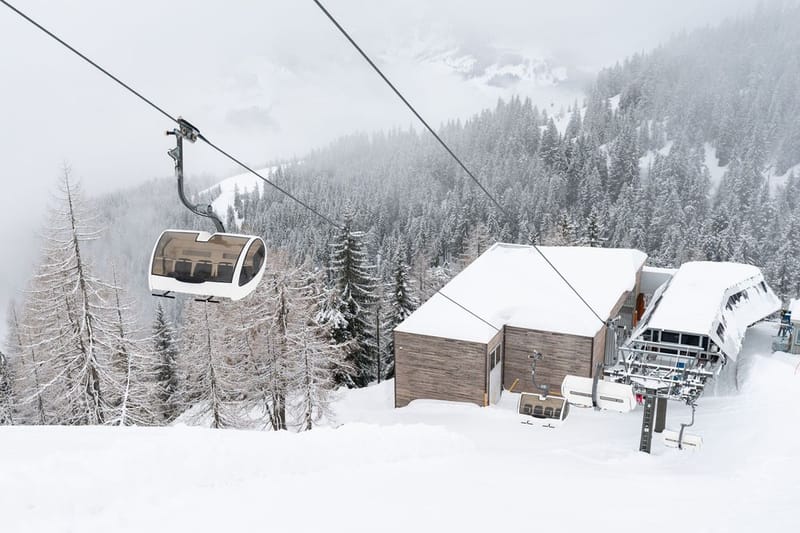
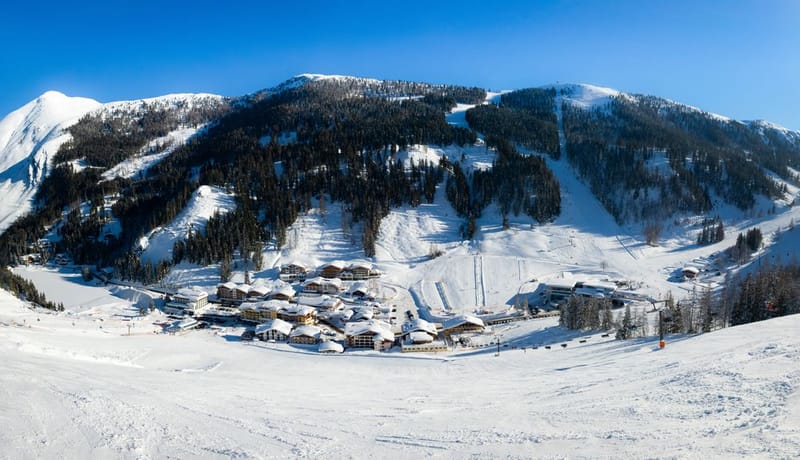
Ski amadé Overview
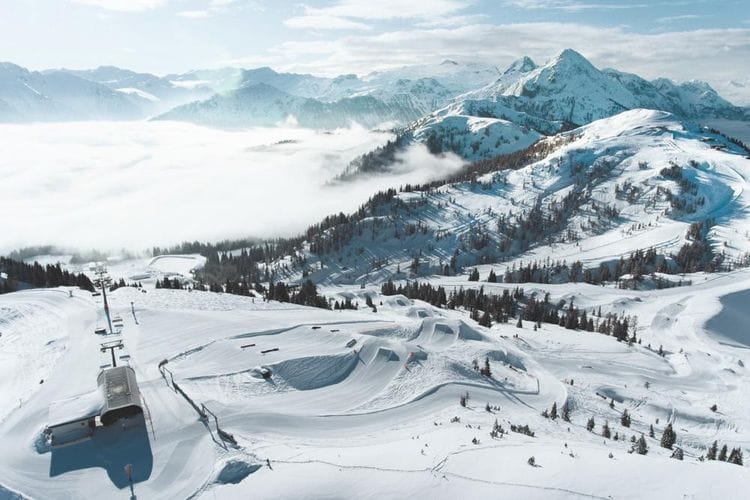
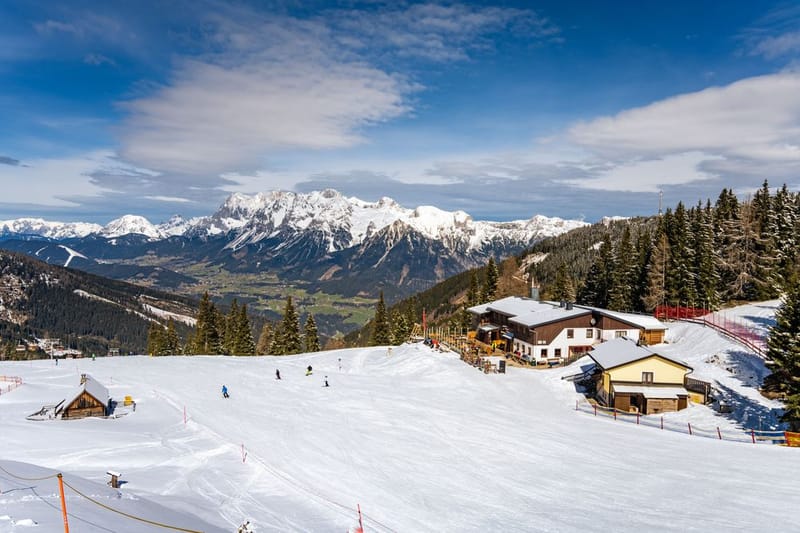
Straddling the Austrian Alps in the Salzburg region, this massive ski alliance brings together 25 separate resorts across five interconnected zones. With 760km of piste serviced by 270 lifts, it ranks among Austria's largest ski areas - though you'll need to hop on ski buses or drive between some zones rather than ski directly between all of them.
The area splits into distinct clusters. The Salzburger Sportwelt zone links Flachau, Wagrain, St. Johann-Alpendorf, Zauchensee, Flachauwinkl-Kleinarl, and Radstadt-Altenmarkt with ski-in, ski-out connections. Meanwhile, the Schladming-Dachstein region connects four mountains (Planai, Hochwurzen, Hauser Kaibling, and Reiteralm) via lifts and pistes. Hochkönig and Filzmoos operate as separate ski circuits within the same lift pass.
What sets this area apart is its sheer scope combined with authentic Austrian village charm. You're not skiing one mega-resort but exploring multiple traditional villages, each with distinct character. The majority of our users think the infrastructure here is exceptional - modern heated chairlifts, efficient gondolas, and immaculately groomed pistes are standard across the alliance.
The terrain skews heavily towards intermediates and families. With 145 intermediate runs and 181 advanced runs, confident red-run skiers will have a field day cruising long, wide, tree-lined pistes. One Snomad community member liked the variety available: "Great series of runs over 200m. Very good ski schools. Great service." Expert skiers will find the 30 expert runs somewhat limiting for a week-long trip, though off-piste opportunities exist for those who know where to look.
Mountain restaurants deserve special mention - reasonably priced, high-quality Austrian food is abundant throughout. Some of the user reviews reference the affordability compared to French or Swiss resorts, with hearty schnitzel and glühwein rarely breaking the bank. Après-ski culture is strong but family-friendly, leaning more towards gemütlichkeit than rowdy party scenes (though Flachau and Schladming certainly deliver livelier atmospheres).
The area works brilliantly for mixed-ability groups who want options without needing to split up. Beginners get gentle, confidence-building slopes up the mountain rather than stuck at valley level, whilst stronger skiers can explore the more challenging terrain at Zauchensee or tackle the World Cup run at Schladming.
The Skiing in Ski amadé
Ski amadé sprawls across 760km of piste terrain, making it one of Austria's largest interconnected ski areas. The network links 25 resorts across five regions, with lift-served skiing ranging from around 850m to 2,700m. Snow reliability varies - the higher zones like Zauchensee and the Dachstein Glacier typically hold cover well, whilst lower villages can struggle in lean seasons or late March sunshine. The area invests heavily in snowmaking though, which keeps the main runs skiable even when natural snow is thin.
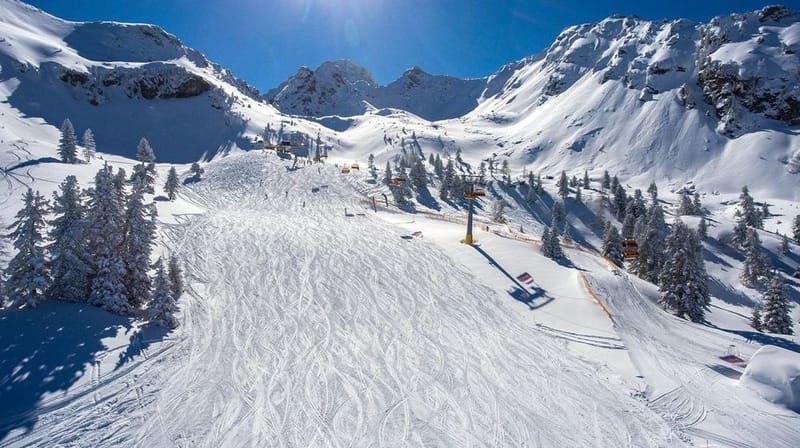
The terrain leans heavily towards intermediates. You'll find 145 intermediate runs and 181 advanced pistes spread across the region, with long, wide reds dominating most sectors. One Snomad user who skied St. Johann - Alpendorf mentioned "great series of runs over 200m" and praised the "very well maintained" slopes. The grooming is consistently excellent - Austrian piste-bashers are meticulous, and multiple reviewers specifically called out the quality of preparation.
For accomplished skiers, Schladming - Dachstein stands out. It hosted the 2013 World Championships and offers the challenging World Cup downhill run on Planai, plus decent off-piste options in the trees. A community member who's an advanced skier said of Zauchensee: "The world cup run is a fantastic route from top to the village." The resort's north-facing orientation helps preserve snow quality.
Flachau and Wagrain form the central hub and probably see the most traffic. These linked villages offer varied cruising terrain and efficient lift connections. The majority of users think the lift system across Ski amadé is top-notch - modern gondolas and heated chairlifts are common, and queues rarely exceed a few minutes outside peak season. An intermediate skier from Schladming noted: "The lifts are fast and efficient, minimizing wait times so you can maximize your time on the snow."
The sector-hopping potential is brilliant. You can genuinely ski from Flachau across to Zauchensee, down to Kleinarl, or over to Wagrain and St. Johann without removing your skis. Free ski buses fill the gaps where lift links don't exist. Our reviewers mention this connectivity repeatedly - it's a massive plus if you like exploring and don't want to ski the same runs repeatedly.
Tree skiing features heavily, particularly around Schladming and Wagrain. One user who's an advanced snowboarder highlighted "really good off piste" at Shuttleberg Flachauwinkl-Kleinarl, whilst others loved the "flat tree runs" for their scenic quality and shelter on stormy days.
For park riders, Absolute Park in Flachauwinkl is amongst Europe's best freestyle facilities. It's huge, meticulously maintained, and offers features for all levels. A Snomad community member said: "Shuttleberg is home to one of the best snow parks in Europe. Huge areas of terrain with many features groomed daily mean the park is always in good conditions."
Beginners have decent options, though learning areas are mostly mid-mountain rather than at resort level. Hochwurzen gets particular praise for gentle, wide blues. The main criticism from less experienced skiers is that some home runs - particularly into Schladming and Flachau - get steep, bumpy and icy by late afternoon.
One genuine limitation: there's not masses here for proper experts chasing steep, gnarly terrain. The 30 expert-rated runs are scattered thinly across the entire region. If you're after leg-burning blacks and serious challenges, you'll find bits and pieces but might get frustrated. This is cruiser country.
The Resorts in Ski amadé
Ski amadé's 13 resorts offer something for every type of skier, from purpose-built ski stations to traditional Alpine villages. Here's what makes each one tick.
Schladming is the area's flagship resort and the liveliest option. Spread across four interconnected mountains (Planai, Hochwurzen, Hauser Kaibling, and Reiteralm), it's brilliant for intermediates who want variety and proper Austrian après. One advanced skier raved it's "one of my all time favourite resorts in Europe" for its tree runs and buzzing igloo bars dotted around the mountain. The World Cup piste adds a challenge for stronger skiers.
Flachau strikes a similar note with more family appeal. Wide, cruisy runs dominate, though advanced skiers might find it limited. A Snomad community member who's an expert snowboarder praised the "ultimate destination for intermediate skiers" but noted the lack of challenging terrain. The après is proper Austrian - think Rote 8 and double-ended streets of bars.
Wagrain complements Flachau perfectly as a quieter, more traditional village with the same excellent piste grooming. The G-Link cable car connection makes switching between the two seamless. One intermediate skier mentioned it's "a little on the expensive side but good value for money" with varied runs for mixed-ability groups.
St. Johann - Alpendorf offers ski-in/ski-out convenience and connects brilliantly into the wider Salzburger Sportwelt area. An advanced skier who's visited for 25 years highlighted the "best lifts around" and abundance of mountain huts at reasonable prices. It's ideal for families and groups wanting efficient infrastructure without the crowds.
Zauchensee sits higher than most Ski amadé resorts, making it reliably snow-sure. The World Cup run is a proper leg-burner, and it links nicely to Flachauwinkl. As one reviewer noted, it's "great for long, wide runs" but the village itself is small and hotel-focused rather than a buzzing resort centre.
Shuttleberg Flachauwinkl - Kleinarl is home to one of Europe's best snow parks. A Snomad user who's an expert skier said the "huge areas of terrain with many features groomed daily" keep the park in top nick. Beyond the park rats, there's plenty for families with fun trails and activities scattered along the runs.
Hochkönig (Maria Alm, Mühlbach, and Dienten) offers a proper mountain circuit experience. An expert skier who's been visiting since 2009 praised the constant investment in new lifts and "fantastic food at affordable prices" in mountain restaurants. It's quieter than the main Salzburger Sportwelt hubs - one intermediate mentioned "zero lift queues and very quiet pistes" during a March visit.
Radstadt - Altenmarkt is the gateway village with direct access to decent intermediate terrain. An advanced skier from the UK called it "great for big groups" with a "solid lift system", though it requires buses to reach the slopes.
Reiteralm - Pichl - Mandling links into the Schladming circuit but maintains a more local feel. The pistes here tend to be quieter - perfect if you want to escape the busier Planai runs.
Hauser Kaibling - Haus im Ennstal connects seamlessly into the four-mountain tour from Schladming. Recent lift upgrades (a new 8-seater opened this season) keep things moving efficiently.
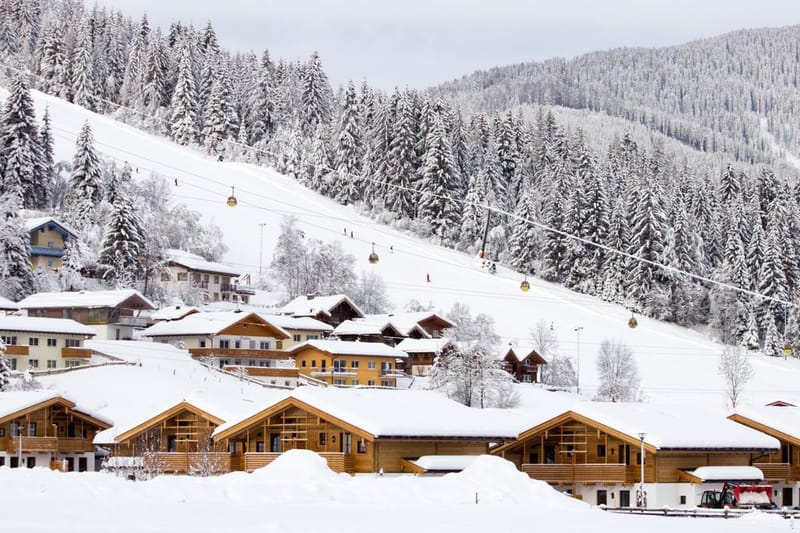
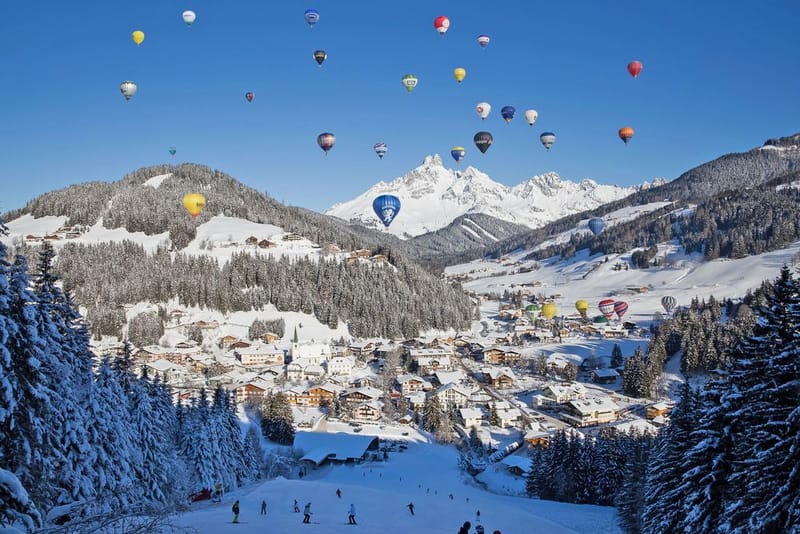
Filzmoos Neuberg is the family-friendly option par excellence. A Snomad user who's skied there for over a decade described it as "lovely" with "good lunch spots and a great ski school", though lacking in challenging runs. Its smaller size makes it less intimidating for beginners.
The beauty of Ski amadé is how these resorts interconnect. You can stay in quiet Filzmoos and bus to Flachau's livelier scene, or base yourself in Schladming and explore the Hochkönig circuit on a day trip. The single lift pass ties it all together, letting you cherry-pick the best conditions and quietest pistes across the entire area.
Practical Info for Ski amadé
Lift Pass
The Ski amadé lift pass is your golden ticket to 270 lifts and 760km of terrain across five regions. One pass, five massive areas - you'll be riding Schladming one day, cruising Flachau the next. It's brilliant value when you consider the variety on offer, though prices do creep up during peak weeks. A six-day pass will set you back around €414, whilst a full season pass costs €882. You can grab passes at any lift station or book online before you arrive.
The pass covers everything from gentle cruisers to proper steep stuff, meaning you won't get bored even if you're here for a fortnight. Some of the user reviews reference that moving between areas takes a bit of planning, but the free ski bus network makes it doable.
Best Time to Visit
January through March is your sweet spot for Ski amadé. The snow's usually sorted by mid-December, but January brings the coldest temps and the best powder potential. Our reviewers mention that February half-term gets absolutely rammed, so expect queues and higher prices if you're tied to school holidays.
March delivers longer days and bluebird conditions - perfect if you fancy some spring skiing with a beer on a sun terrace. The majority of users think early season (December) can be hit-and-miss depending on snowfall, whilst late March and April still offer decent riding if you stick to higher slopes like Zauchensee.
Getting There
Salzburg Airport is your closest bet at around 80km away, with transfers taking roughly an hour to most Ski amadé resorts. It's compact and easy to navigate, though flight options can be limited compared to bigger hubs.
Munich Airport gives you more flight choices and it's only about 200km out - transfers take 2-3 hours depending on which resort you're heading to. If you're going to Schladming, Graz Airport is another option at similar distance to Salzburg.
Driving from the UK is doable but it's a proper mission - you're looking at 12+ hours. Most people fly and either hire a car or book a transfer. The train network through Austria is solid if you prefer rail, with connections to major resort towns.