


Stats
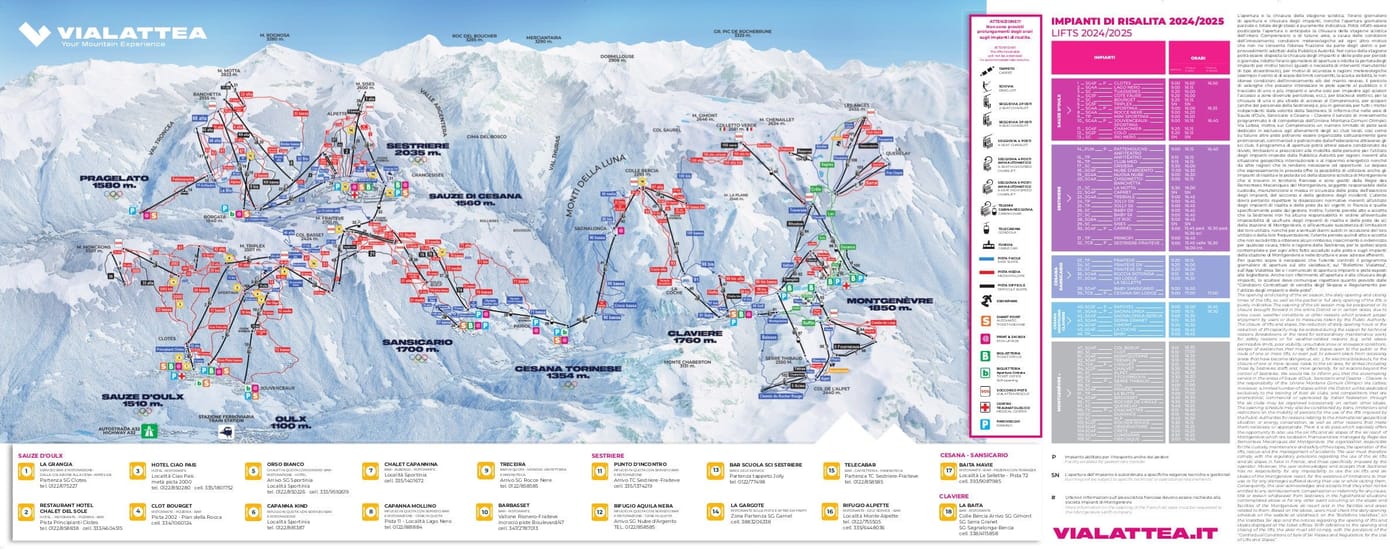
Via Lattea Piste Map
Resorts in Via Lattea
Via Lattea Overview
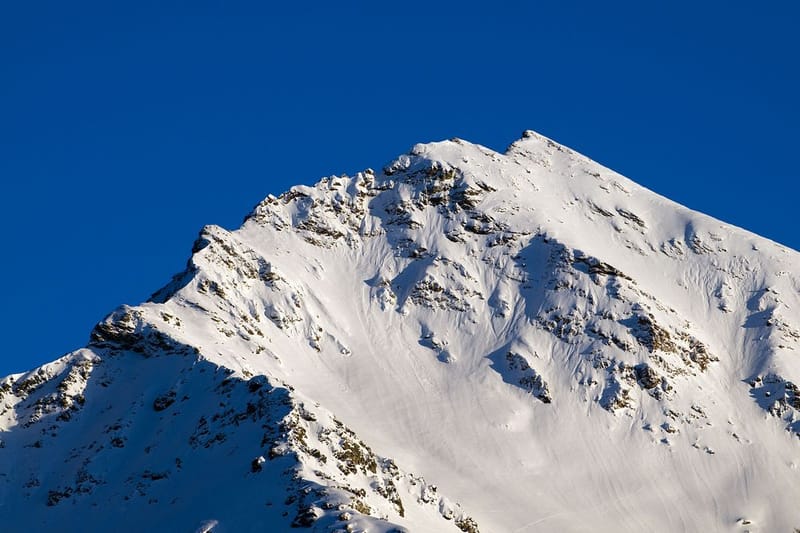
Straddling the French-Italian border in the Alps, this massive interconnected ski area links six resorts across two countries, creating one of Europe's largest lift-linked domains. The Italian side encompasses Sestrière, Sauze d'Oulx, Sansicario-Cesana, Claviere, and Pragelato, whilst Montgenèvre represents the French gateway. Together, they offer 400km of pisted terrain across 313 marked runs, serviced by 70 lifts.
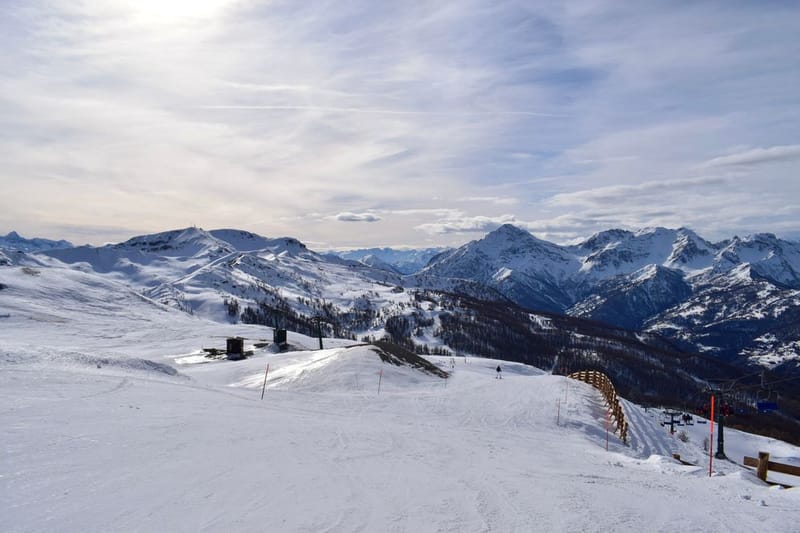
The terrain sits comfortably high - many runs stay above 2,000m - which typically delivers reliable snow conditions throughout the winter. Sestrière, the Olympic host resort from 2006, forms the central hub with modern lift infrastructure connecting across to Sauze d'Oulx on one side and towards the French border on the other. From Sauze, you can access Sansicario and onwards to Claviere, whilst Montgenèvre links via a scenic crossing from the Italian resorts. Some reviewers mention that weather can occasionally close key connecting lifts, particularly when high winds pick up.
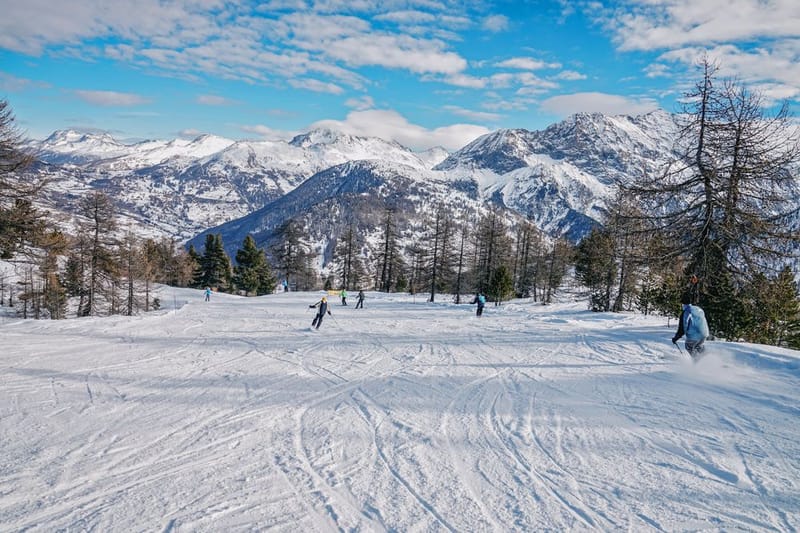
Most runs fall into the intermediate category, with wide, well-groomed reds and blues dominating the piste map. One Snomad community member who's an intermediate skier noted the "excellent variety of pisted runs" and appreciated being able to "ski into neighbouring Sousie Dou and take a day trip to France." The tree-lined descents lower down provide welcome variety, whilst higher bowls open up above 2,400m.
Families and intermediate skiers will find this area particularly rewarding - there's enough terrain to explore something different each day of the week without repeating runs. Advanced riders can challenge themselves on the steeper blacks around Sestrière and Pragelato, plus there's accessible off-piste terrain when conditions allow. The majority of users think it represents excellent value compared to flashier French mega-resorts, with notably cheaper lift passes and on-mountain dining.
Getting around the full area takes commitment. While most connections work smoothly, reaching Montgenèvre from Sauze demands several lifts and a fair bit of skiing, so many visitors treat it as a dedicated day trip rather than casual exploration.
The Skiing in Via Lattea
Via Lattea spans 400km of pistes across six interconnected resorts, stretching from Montgenèvre in France to Sauze d'Oulx in Italy. The terrain sits between 1,350m and 2,800m, with the higher Italian resorts generally more snow-sure than their French counterpart. Our reviewers mention that whilst Montgenèvre and Sestrière often have the most reliable coverage, late-season conditions can get slushy on lower runs, particularly around Sauze d'Oulx.
The skiing breaks down into distinct sectors, each with its own character. Montgenèvre offers wide, confidence-building blues and reds — perfect for intermediates finding their rhythm. A Snomad community member liked that the runs here rarely feel crowded, even during peak season. Sestrière and the Sansicario bowl deliver steeper, more technical terrain, including the Olympic downhill course if you fancy testing your mettle. Sauze d'Oulx is all about tree-lined runs and a more playful vibe, whilst Pragelato and Claviere slot in as quieter options for escaping the weekend crowds.
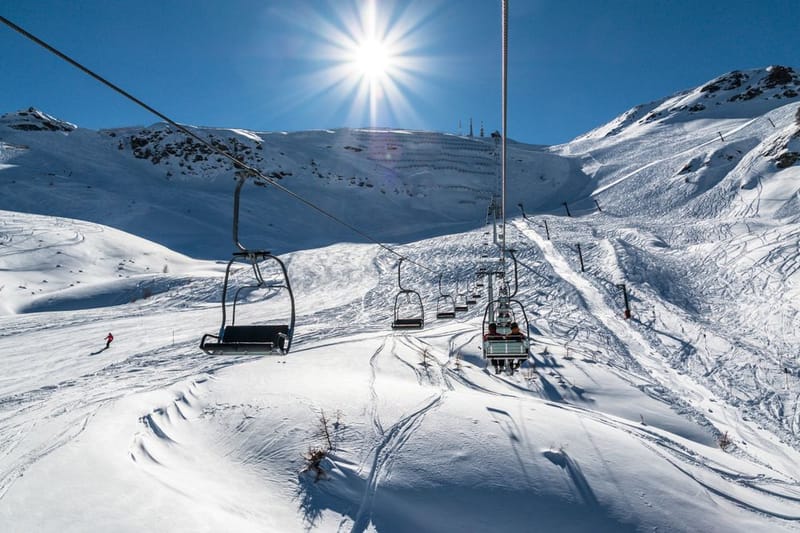
Getting between resorts requires a bit of planning. One advanced snowboarder said the connections work brilliantly when everything's running, but high winds can shut the key gondola between Sestrière and Sauze d'Oulx, effectively splitting the area in two. Several users reference long, flat traverses — particularly frustrating for boarders who'll find themselves doing a fair bit of unstrapping and skating. The lift infrastructure varies wildly: you'll find modern six-packs in Sestrière alongside ancient two-seaters that'll freeze you solid. The majority of users think the slower lifts are the trade-off for quieter slopes and cheaper lift passes.
Intermediates have the run of the place with 98 blues and reds to explore. Advanced skiers get 169 reds and 37 blacks to play with, though some of the user reviews reference that the blacks aren't always particularly challenging by Alpine standards. Beginners might struggle — whilst there are nursery slopes at resort level, confident parallel turns are essential for moving between areas.
Off-piste opportunities exist, particularly around the higher bowls above Sestrière and in the trees around Sauze d'Oulx, but this isn't a freeride mecca. Most visitors stick to the groomed runs, which are generally well-maintained. Some of the user reviews reference occasional frustration when fresh snow doesn't get pisted promptly, leaving runs bumpy or closed longer than expected.
The Resorts in Via Lattea
The Via Lattea links six distinct resorts across the French-Italian border, each bringing something different to the table. Together, they create a ski area where you can experience everything from quiet, tree-lined cruisers to Olympic downhills — often in the same day.
Montgenèvre sits on the French side at 1,860m and serves as the gateway between countries. It's properly snow-sure and feels more relaxed than many French resorts, making it brilliant for families and intermediates who want wide, forgiving runs without the crowds. One user who is an intermediate skier mentioned they "could ski into Italy which is great", whilst another loved the "lovely family run restaurants and cafes". The resort maintains a traditional feel without sacrificing modern lift infrastructure.
Sestrière was purpose-built for the 1930s and hosted events during the 2006 Olympics, so it's got proper pedigree. At 2,035m, it's the highest resort in the area and tends to hold snow best. The majority of users think it's ideal for intermediates looking to progress, with challenging reds and a few testing blacks including the famous Kandahar run. An advanced skier noted "decent size town, lively with good apres & night life", though the purpose-built architecture won't win beauty contests. It's the natural hub for exploring the wider area.
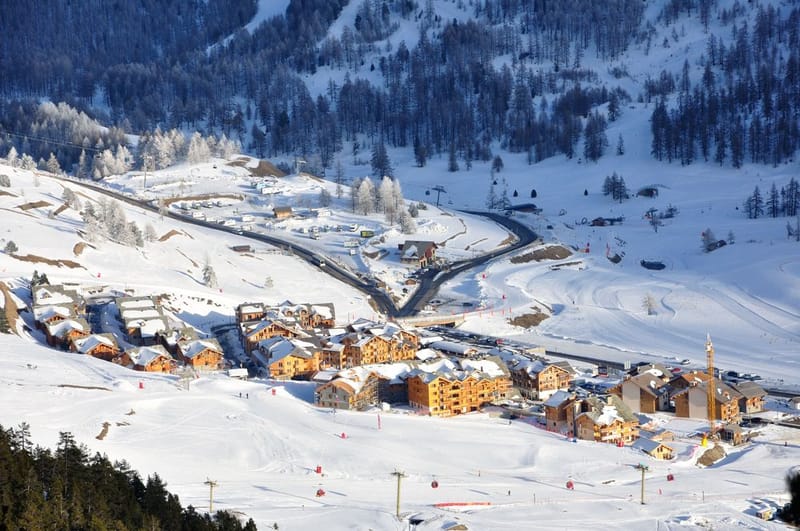
Sauze d'Oulx brings proper Italian character — a medieval old town with narrow cobbled streets and that authentic alpine vibe. It's lower than Sestrière but makes up for it with extensive tree-lined skiing that's perfect when visibility drops. Our reviewers mention it's brilliant for intermediates, with one saying there's a "great variety of blue/red and black runs". The apres scene is lively without being over the top, and the pizza is genuinely excellent. One Snomad community member liked that "drinks and food is readily available on the mountain" at prices that won't make your eyes water.
Sansicario-Cesana is the quiet achiever — purpose-built but low-key, sitting between Sestrière and Sauze. It's perfect if you want ski-in/ski-out convenience without the bustle, and families particularly rate it for hassle-free skiing. The slopes here are wide and well-groomed, though some reviewers found the lift connections a bit slow.
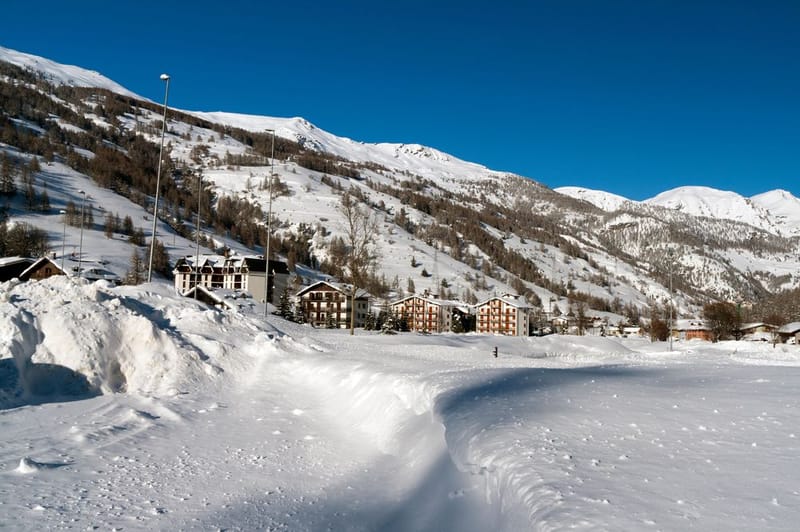
Claviere is a small, traditional Italian village right on the border that feels properly authentic. A user who is an advanced skier said it has "nice cute on-piste bars" and works brilliantly as a quieter base whilst still accessing Montgenevre easily. It's not big enough to entertain you for a week on its own, but that's not the point — it's your launching pad into both countries.
Pragelato hosted the cross-country events in 2006 and remains a bit of a specialist spot. It's quieter and less developed than the others, appealing to those who want peace over party. The skiing here links into Sestrière, opening up the wider area, though it's not the most convenient base for exploring everything.
What makes this collection work is how they balance each other. Sestrière and Sauze offer the infrastructure and variety, Montgenèvre delivers reliable snow and sunshine, whilst Claviere and Sansicario provide quieter alternatives. You can genuinely ski a different resort each day, experiencing French efficiency one morning and Italian charm by lunch, all on the same lift pass.
Practical Info for Via Lattea
Lift Passes
The Via Lattea (Milky Way) area operates under a single ski pass that links six resorts across the French-Italian border - Montgenèvre, Sestrière, Sauze d'Oulx, Sansicario, Cesana, Pragelato and Claviere. One pass gets you access to 400km of piste and 70 lifts, which is brilliant value for anyone wanting to explore.
A six-day pass costs around €334, whilst a season pass runs about €1,250. You can also grab passes for just the Italian side if you're not bothered about crossing into France, though you'd be missing out on Montgenèvre's excellent sunny slopes.
Most of our reviewers mention that the interconnected nature makes it dead easy to ski a different resort each day without faff. The pass also includes the Olympic slopes at Sestrière if you fancy a go at some World Cup runs.
Best Time to Visit
January and February deliver the most consistent snow, though you'll be sharing the pistes with Italian school holidays in early February. March offers a sweet spot - still plenty of snow coverage but with longer days and warming temperatures that make those long lunches more appealing.
The majority of users think early season (December) can be hit and miss for snow, particularly on lower runs. However, the resorts sit between 1,350m and 2,800m, so higher slopes usually hold snow well into April. Some of the user reviews reference how the Italian side can get a bit slushy in spring, whilst the north-facing French runs at Montgenèvre stay firmer.
Avoid Italian half-term if you're not keen on queues - it gets properly busy.
Getting There
Turin Caselle Airport is your closest bet at roughly 90 minutes by car to most resorts. It's well-connected with budget airlines from the UK and has regular transfers.
Turin Railway Station is also an option if you're up for the train - it's about 100km to Sestrière with connecting buses available, though you'll need to sort timings carefully.
Grenoble Airport works if you're heading to Montgenèvre first (around 2 hours), whilst Lyon is doable at about 3.5 hours but feels like a bit of a trek.
One SNOMAD community member liked the fact you can drive the entire area - if you're doing a road trip, it's straightforward motorway most of the way from Calais (about 10-11 hours). The Fréjus Tunnel connects France to Italy and makes resort-hopping by car brilliant.