


Oct, 22 2026 - 5 mins
How to Progress from Intermediate to Advanced Skiing: Advice from a Ski Instructor
Reaching an intermediate level is an exciting stage of learning to ski. You can link turns, control your speed and explore more of the mountain. But progressing to the next level can be surprisingly challenging. You might feel confident on blue and red pistes, yet struggle to maintain control on steeper slopes or in variable snow.
So, how do you break through the intermediate skiing plateau?
Emily P., a BASI trainer and Maison Sport ski instructor based in Courchevel, shares five tips to help intermediate skiers improve their technique, develop better control and build confidence across varied terrain.
What’s the Difference Between an Intermediate and an Advanced Skier?
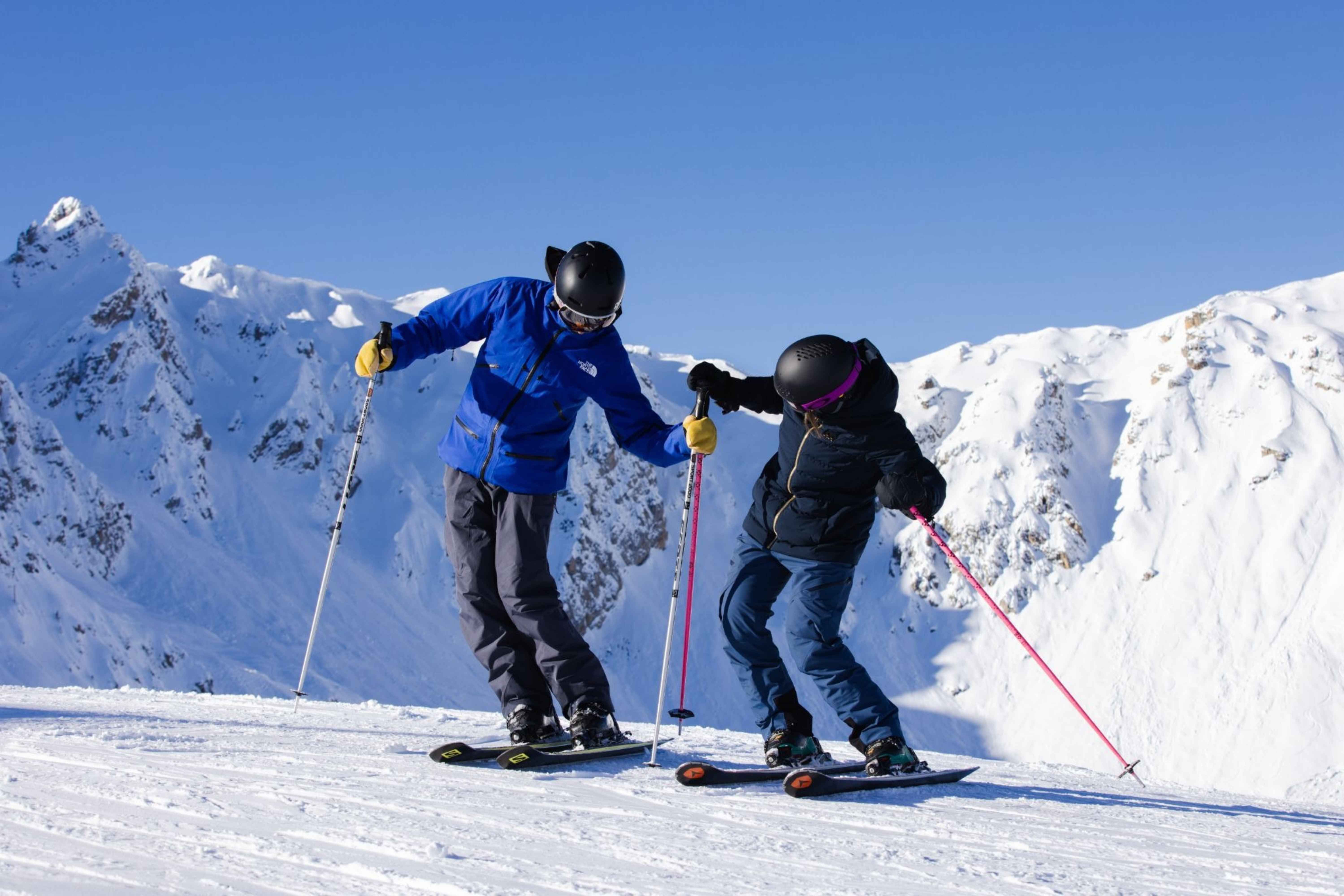
The difference between an intermediate and an advanced skier isn’t simply how fast you ski or how steep a run you can manage. It’s about control, consistency and adaptability.
Intermediate skiers may be comfortable linking turns on groomed pistes but rely on the same turn shape and rhythm regardless of the terrain. Advanced skiers can adjust their technique to suit the gradient, snow conditions and space available, maintaining control as conditions change.
Improving these skills takes practice. Refining your turns, learning to manage your balance and becoming more adaptable can help you move beyond the intermediate plateau that many skiers struggle to overcome.
How to Progress from Intermediate to Advanced Skiing
Progressing from intermediate to advanced skiing can be challenging because the improvements you need are often more subtle than when you first learn to ski.
This is where ski lessons can make a real difference. An experienced instructor can identify habits you might not notice yourself, explain what needs to change and give you targeted exercises to help you improve. Rather than simply skiing more runs and hoping to progress, you can focus your practice on the skills that will make the biggest difference.
How Can a Private Ski Instructor Help You Progress?
Private ski lessons offer several advantages for intermediate skiers looking to improve their technique and progress towards an advanced level. Lessons can be tailored to your ability, goals and specific areas for improvement.
You’ll receive personalised feedback throughout the lesson, helping you identify and correct technical habits that may be holding you back and make more efficient use of your time on the slopes.
Private ski lessons also offer greater flexibility than group ski lessons, allowing you to choose morning or afternoon sessions and book as many lessons as you need. When booking ski lessons through Maison Sport, you can compare instructor qualifications, reviews and teaching styles to find someone suited to your ability and goals.
For Nadia M., who booked ski lessons in Morzine with instructor Pietro D., private instruction helped her overcome a plateau:
“My friend and I skied with Pietro for 3 days and, despite being at different intermediate levels, he tailored everything brilliantly to each of us. As an adult learner, I had been stuck on the same plateau for years, and he helped me make real progress with intelligent coaching, precise feedback, and a calm, encouraging approach.”
5 Tips to Progress from an Intermediate to Advanced Skier
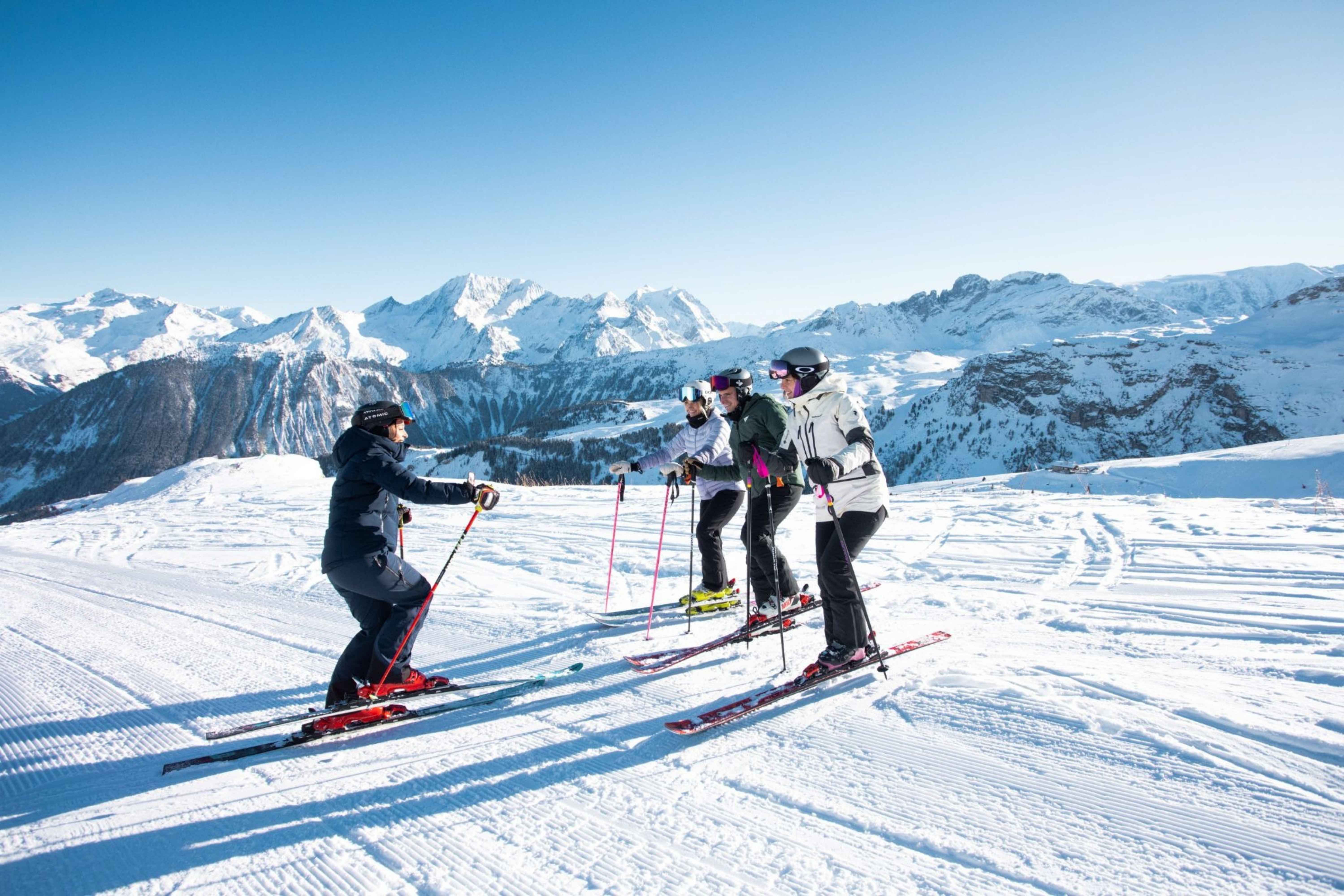
Maison Sport ski instructor Emily P., who has over a decade of experience teaching skiing in France, Switzerland, Japan, New Zealand and Australia, shares five tips to improve technique, build confidence and overcome the common challenges that hold intermediate skiers back.
1. Make C-Shaped Turns
One of the key differences Emily sees between intermediate and advanced skiers is the shape of their turns.
Intermediate skiers often make Z-shaped turns: they rotate their skis quickly, then traverse across the slope before starting the next turn. This can make their skiing feel stop-start and limit their control.
Advanced skiers make more rounded, C-shaped turns. Rather than rushing the rotation, they guide their skis through a smoother arc across the slope. This helps them manage speed through their line and direction of travel, rather than relying on abrupt turns or skidding to slow down.
How to practise: On a comfortable, groomed run, focus on making smooth, rounded turns from one side of the piste to the other. Prioritise control and consistency over speed.
2. Vary Your Turn Size
If you tend to make the same size turns on every run, learning to vary them can help you adapt to more challenging terrain.
Advanced skiers change their turn shape and rhythm according to the gradient, snow conditions and space available. Shorter turns can be useful on steeper or narrower sections, while longer turns may suit wider, gentler slopes.
Emily recommends practising varied turns on an easy groomed run before progressing to more challenging terrain.
How to practise: Start with wide, rounded turns. Gradually make your turns shorter by increasing the rate at which you guide your legs through the turn, then return to wider turns. Repeat the sequence while maintaining control and a consistent rhythm.
Once you’re comfortable, you can work towards applying the same adaptability on more challenging terrain.
3. Trust Your Outside Ski
Your outside ski plays a key role in providing grip, support and stability through a turn. Learning to use it effectively can help you develop your carved turns and maintain control, particularly on steeper slopes.
As you turn, allow your outside ski to take more of your weight while keeping your body balanced and your skis engaged with the snow. Avoid leaning back or letting your body collapse towards the inside of the turn.
How to practise: Start on a gentle slope and focus on feeling your balance over the outside ski at the top of the turn, using as much edge as you can.
4. Improve Upper- and Lower-Body Separation
Good ski technique involves moving your upper and lower body independently.
Your legs steer the skis and control their edges, while your upper body remains relatively stable and oriented more towards the fall line. This separation helps you maintain balance, manage your turns and stay in control across different terrain.
Emily recommends a drill using your ski poles to help develop this movement.
How to practise: Hold your poles horizontally across your shoulders on an easy slope. As you turn, focus on inclining your lower body while keeping your upper body stacked over the outside ski. Reset your position as your skis flatten between turns, then repeat in the opposite direction.
5. Build Confidence on Different Terrain
Becoming a more advanced skier also means learning to adapt when the snow or terrain changes. If you only practise on familiar, groomed pistes, you may find it harder to manage bumps, uneven snow or steeper sections.
Emily encourages skiers to challenge themselves gradually and become comfortable with movements that initially feel unfamiliar.
How to practise: Once you’re confident on groomed runs, consider progressing to suitable terrain with small bumps or changes in snow texture. Look ahead, plan your line and focus on maintaining balance and control rather than reacting to each obstacle at the last moment.
Choose terrain that matches your current ability, and build up gradually. If you’re looking to explore off-piste terrain, book an off-piste ski instructor with the relevant experience and knowledge of local conditions. They can help you develop your skills while prioritising safety. Always check avalanche conditions and ensure you have the appropriate safety equipment and know how to use it before heading off-piste.
Where to Book Ski Lessons for Intermediate Skiers in Europe
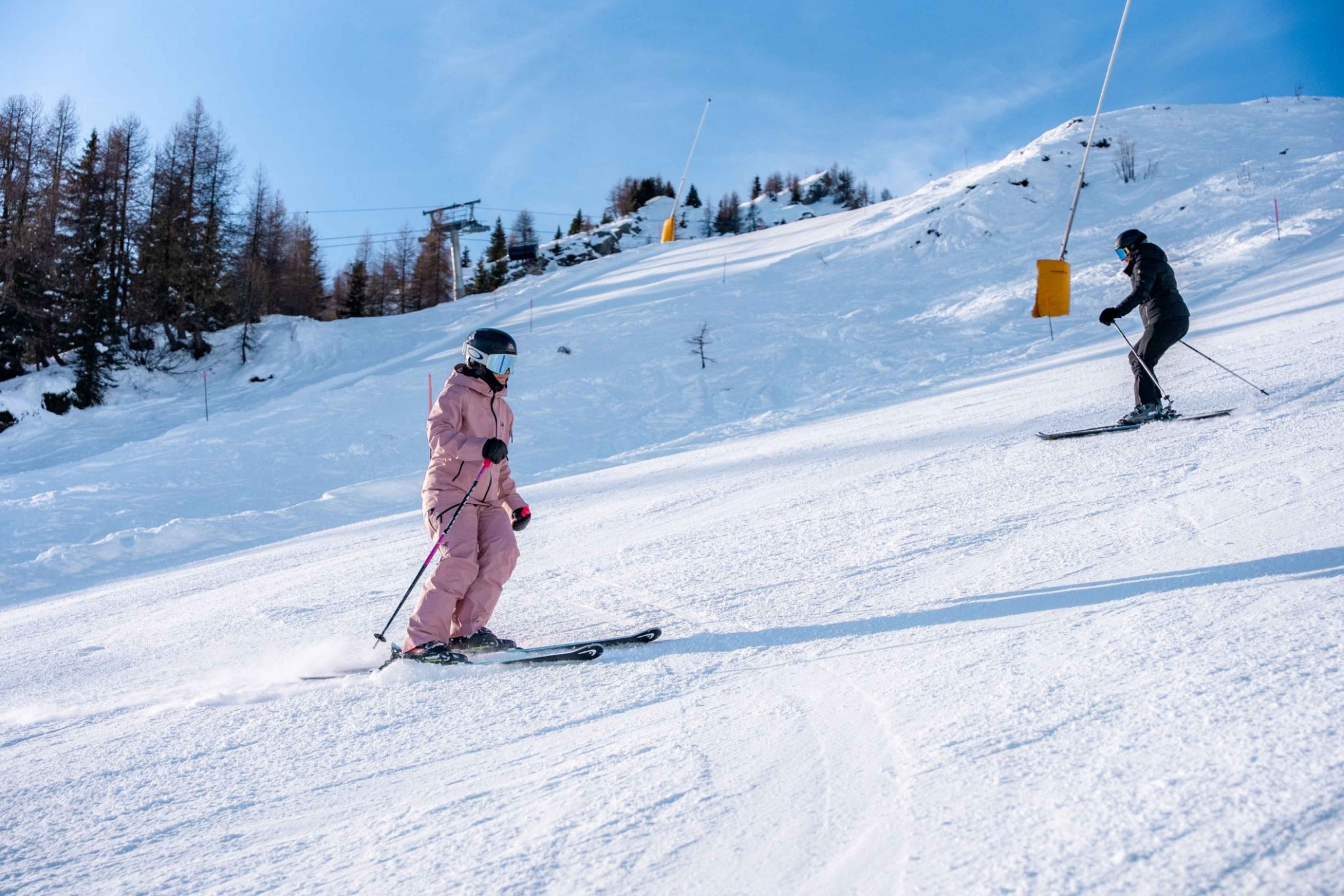
Wherever you’re skiing in Europe, a lesson with an experienced instructor can help you refine your technique, build confidence and tackle more challenging terrain.
Maison Sport is an online snowsports lesson booking platform that connects skiers and snowboarders with more than 1,000 verified instructors across 430+ resorts in Europe. Instructor profiles include information about experience, qualifications, languages, interests, teaching style and reviews, helping you find someone suited to your ability and goals.
Whether you're looking to improve your carving in Tignes, build confidence on steeper slopes in Verbier or Chamonix, develop your technique in Megève, or tackle varied terrain in Zermatt, you can search for an instructor who matches your needs.